
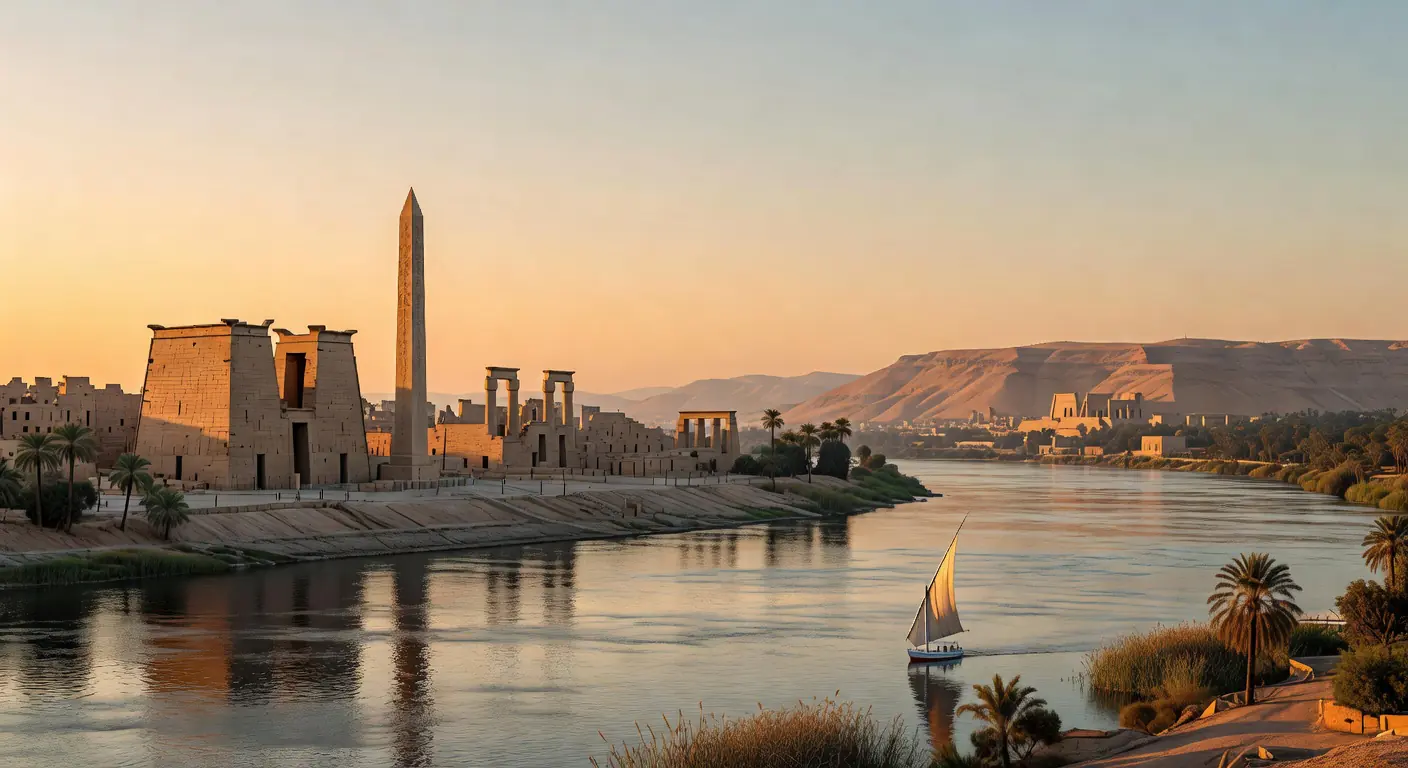
Luxor Travel Guide: Temples, Tombs & Tips for First-Time Visitors
This complete luxor travel guide helps you plan your visit with confidence, from the best temples and tombs to see, to prices, safety advice, timing tips, and smart ways to build a smooth first trip.
If you are planning a trip to Upper Egypt, this luxor travel guide is one of the most useful starting points you can have. Luxor is not a city you simply pass through. It is one of the most important archaeological destinations on earth, and for many travelers, it becomes the highlight of the entire Egypt itinerary.
The reason is simple. Few places let you stand between giant temple columns in the morning, sail on the Nile at sunset, and walk through royal tombs carved into desert hills on the same day. Luxor combines scale, history, beauty, and atmosphere in a way that feels almost unreal.
At the same time, first-time visitors often arrive with practical questions. Which side of the Nile should you stay on. How much time do you really need. Which sites are essential, which ones can be skipped, and how do you avoid wasting energy in the heat. This guide answers those questions clearly, while also helping you make smarter choices for budget, comfort, and timing.
Whether you are visiting Luxor as part of a wider Egypt trip or making it a short cultural stop on its own, this article will help you plan like a more experienced traveler from day one.
Why Luxor Is Worth Visiting
Luxor is often described as the world’s greatest open-air museum, and that label is not just a marketing line. The city sits on the site of ancient Thebes, one of the grandest capitals of ancient Egypt. Here, the remains are not small fragments hidden behind glass. They are massive temple walls, ceremonial avenues, tomb corridors, statues, and inscriptions that still feel alive in the landscape.
What makes Luxor special is not only the fame of its landmarks, but also the clarity of the experience. You do not need to be a historian to appreciate it. You can feel the scale of Karnak Temple, the drama of the Valley of the Kings, and the beauty of Hatshepsut Temple almost instantly. Even travelers who are not usually focused on archaeology often leave Luxor deeply impressed.
It also works well as a destination from a planning perspective. The major attractions are concentrated, transport is manageable, and you can cover a lot in two or three days if you organize your route well. That makes Luxor ideal for travelers who want a high-value cultural stop without needing a full week.
What makes Luxor different from Cairo or Aswan
- More concentrated sightseeing, which means less time lost in traffic.
- Stronger ancient history focus, especially temples, royal tombs, and pharaonic art.
- A slower pace, compared with the energy and chaos of bigger cities.
- Excellent sunrise and sunset moments, especially near the Nile and on the West Bank.
Quick Luxor Overview for First-Time Visitors
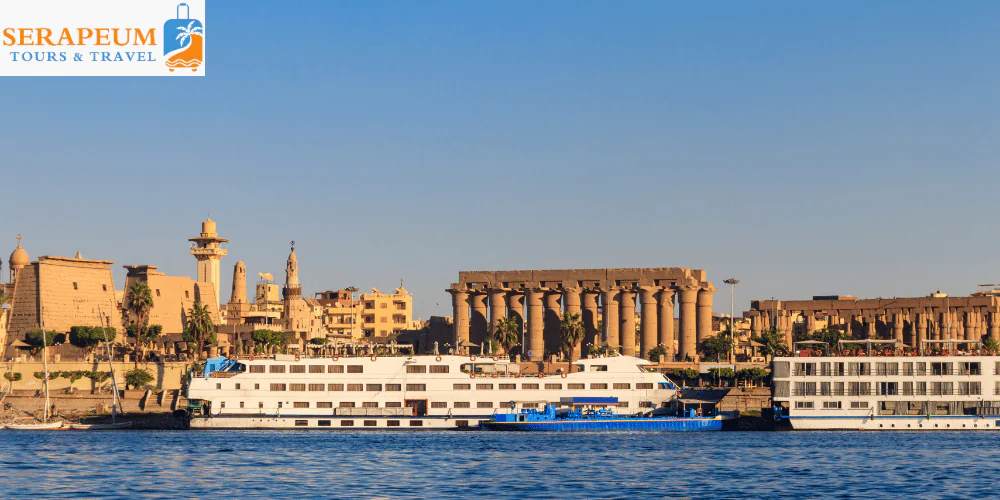
One of the first things to understand in any useful luxor travel guide is that the city is split by the Nile into two main zones, the East Bank and the West Bank. The East Bank is where you will find the city center, many hotels, shops, restaurants, Luxor Temple, and Karnak Temple. The West Bank is more rural and quieter, and it holds many of the famous burial sites and funerary temples.
In simple terms, the East Bank is where the living city developed, while the West Bank became closely linked with royal tombs and monuments connected to the afterlife. This division helps you organize your sightseeing more efficiently.
East Bank
Best for classic city stays, evening walks, temple visits, and easier access to restaurants and services.
West Bank
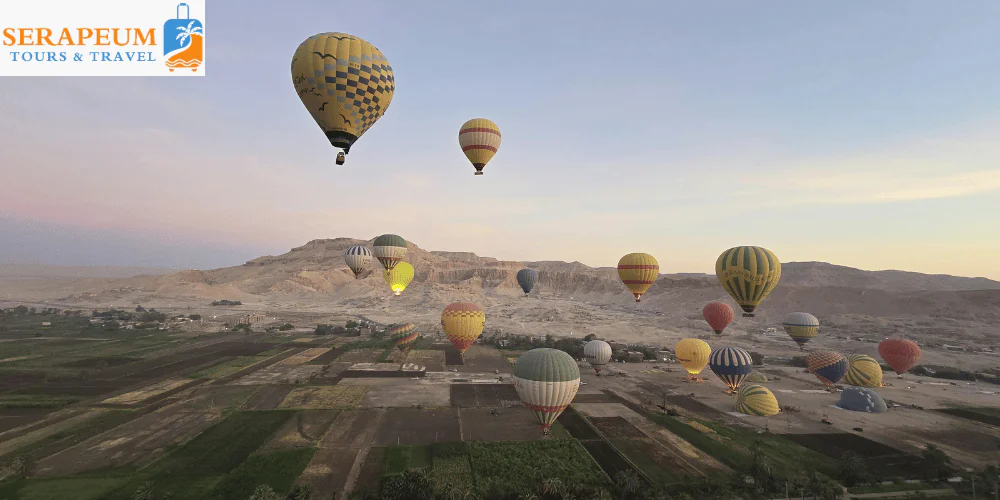
Best for tombs, desert scenery, quieter accommodations, balloon rides, and early access to major historic sites.
Most visitors move between the two sides during their stay, but choosing the right base can make your trip more comfortable. If it is your first visit and you want convenience, the East Bank is often the safer choice. If you prefer a more peaceful atmosphere and already know your priorities, the West Bank can be a rewarding alternative.
Top Things to Do in Luxor
There are many places to visit in Luxor, but not all travelers need the same list. Some want the essential highlights, while others want a deeper look at daily life, landscapes, and lesser-known corners. The best approach is to combine famous monuments with a few slower experiences that let the city breathe.
| Experience | Why It Matters | Best Time | Ideal For |
|---|---|---|---|
| Karnak Temple | The largest and most impressive temple complex in Luxor | Early morning or late afternoon | All first-time visitors |
| Luxor Temple | Beautiful central site, especially atmospheric after dark | Sunset or evening | Couples, culture lovers, photographers |
| Valley of the Kings | The most iconic royal tomb site in Egypt | As early as possible | History-focused travelers |
| Hatshepsut Temple | One of the most elegant temple designs in the country | Morning | Architecture and history fans |
| Hot Air Balloon Ride | A memorable view over desert, fields, and monuments | At sunrise | First-time visitors, special trips |
| Feluca or Nile boat ride | A calm way to enjoy Luxor beyond monuments | Late afternoon | Families, couples, slower travelers |
What to See on the East Bank
Karnak Temple
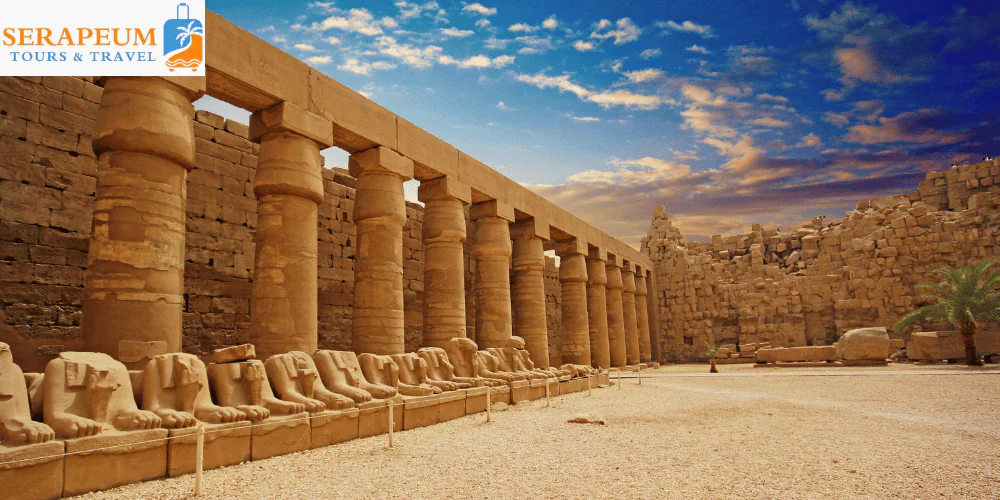
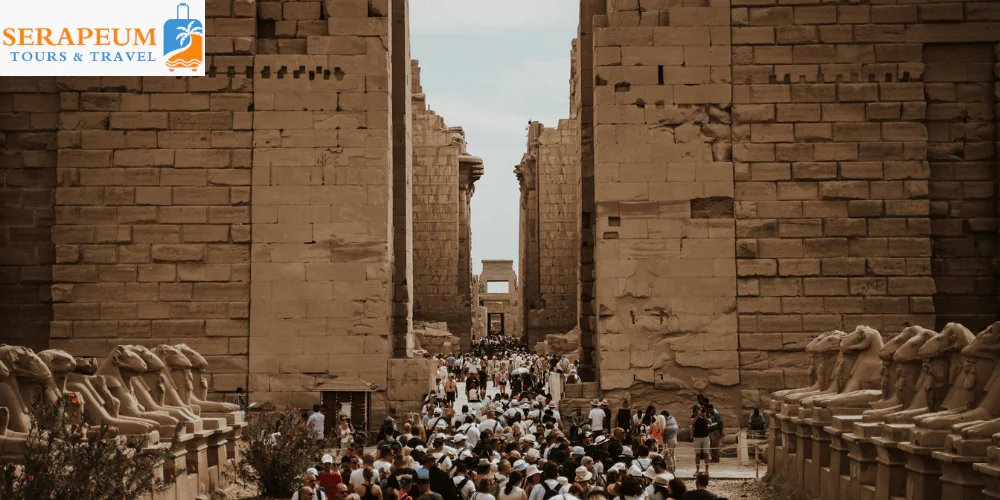
Karnak is not just one temple. It is a huge religious complex built and expanded by many rulers over centuries. The Great Hypostyle Hall, with its forest of towering columns, is the image many travelers remember most. Even if you have seen photos, the scale feels much bigger in person.
Give Karnak more time than you think you need. Rushing through it is one of the most common mistakes. A guide, whether private or shared, can help decode the carvings and explain the political and religious meaning behind the architecture.
Luxor Temple
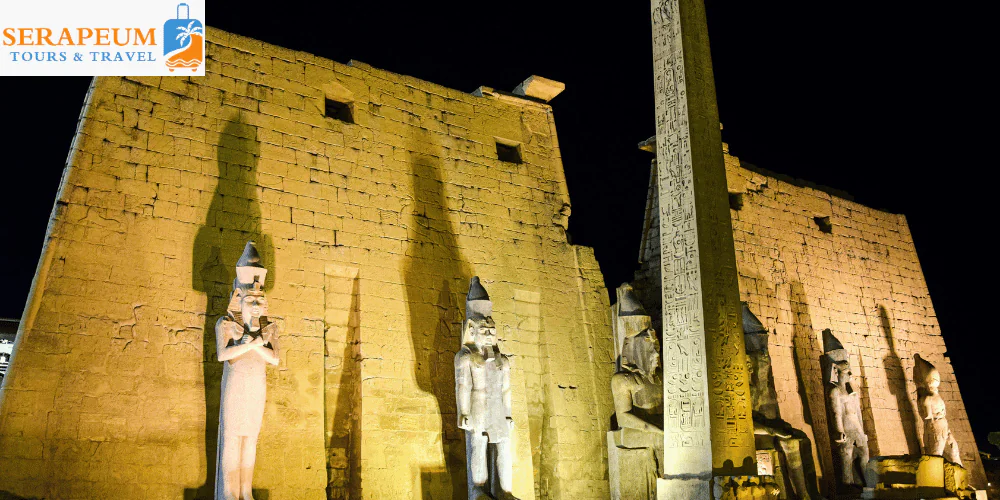
Luxor Temple is easier to absorb than Karnak because it is more compact, but it is equally rewarding. One of its biggest strengths is atmosphere. The temple glows beautifully in evening light, and its location near the city center makes it simple to combine with dinner or a Nile walk.
If your schedule allows, seeing Luxor Temple after sunset and Karnak in the morning creates a nice contrast between the two.
Luxor Museum
Travelers sometimes skip the museum, but it is worth considering, especially if you want context. It is smaller and calmer than Cairo’s museum scene, and the displays are usually better organized for a focused visit. This is a good choice if you want a quieter cultural stop in the middle of a busy temple schedule.
What to See on the West Bank
Valley of the Kings
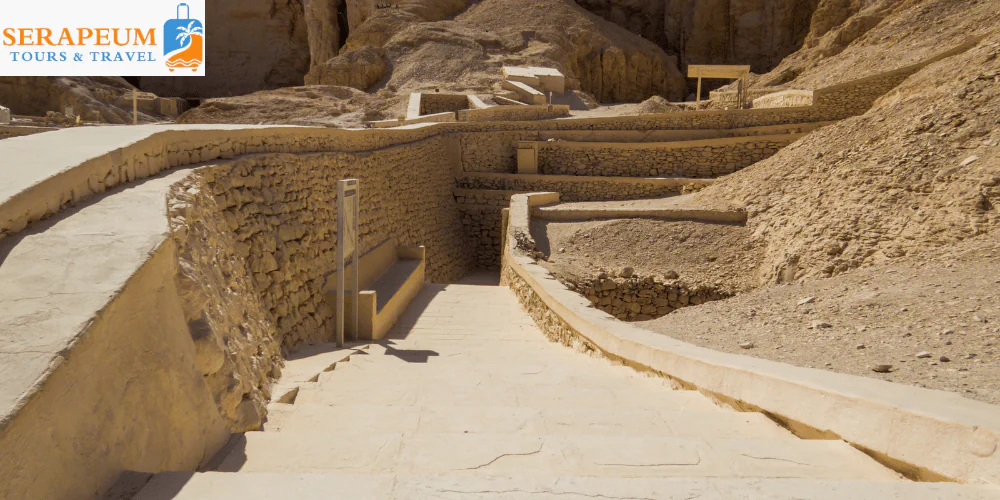
This is the place many travelers dream about before they arrive. The Valley of the Kings contains the tombs of New Kingdom pharaohs, hidden inside desert hills rather than displayed above ground. Inside, you will often find painted ceilings, long corridors, protective spells, and burial chambers that reveal how ancient Egyptians imagined death and eternity.
Keep in mind that your main ticket usually includes a limited number of tomb entries, while some special tombs require extra payment. Not every tomb is open at all times, so flexibility helps. Try to arrive early, before the heat builds and the visitor numbers rise.
Temple of Hatshepsut
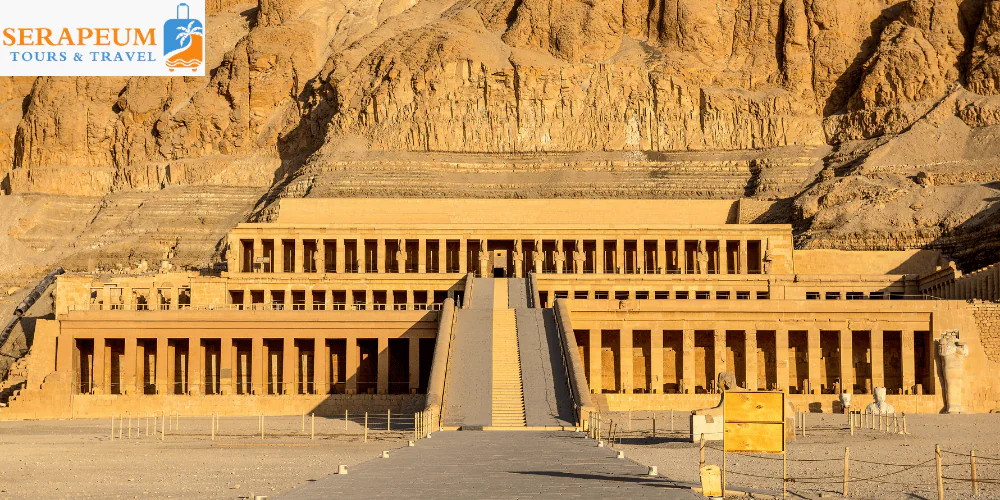
Hatshepsut’s temple stands out because of its striking, terraced form against the cliffs. It feels elegant, balanced, and very different from many other temples in Egypt. This is one of the easiest monuments to appreciate visually, even if you are not deeply familiar with the historical background.
Colossi of Memnon
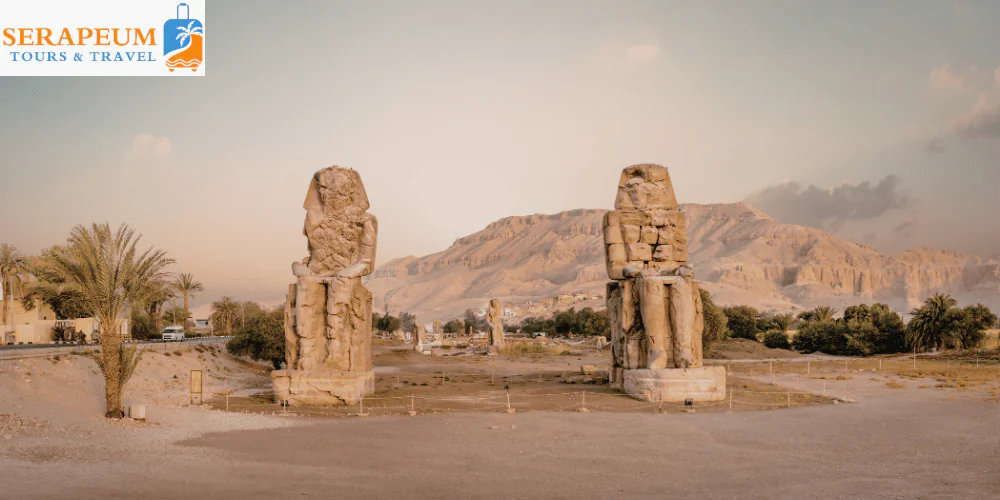
These giant seated statues are often a quick stop, but they still deserve attention. They once guarded a much larger temple complex and now stand as iconic markers at the entrance to the West Bank route.
Valley of the Queens and Nobles’ Tombs
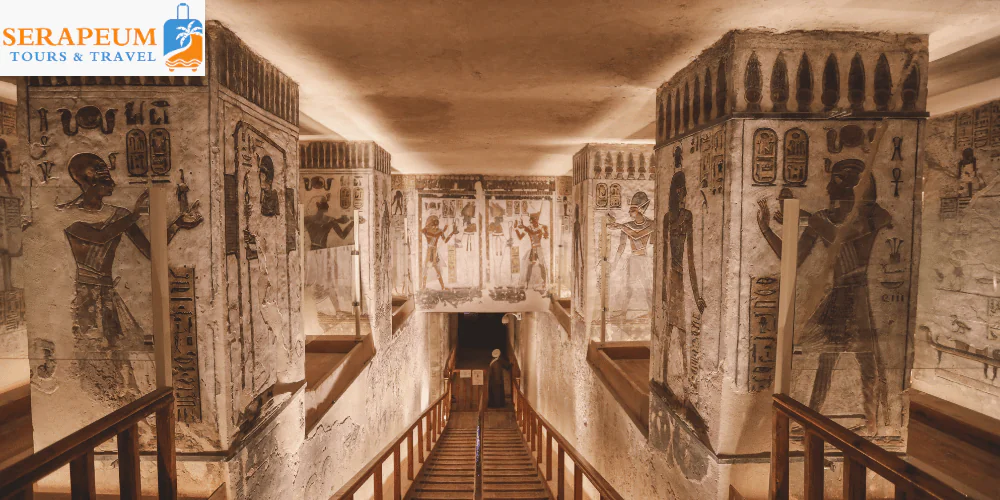
If you have extra time and want to go beyond the main checklist, these sites can add depth to your visit. They are often less crowded, and some travelers find their artwork especially rewarding. These places are ideal for return visitors or first-timers who have more than two days in the city.
Smart route for the West Bank
Start with the Valley of the Kings as early as possible, move next to Hatshepsut Temple, then add the Colossi of Memnon and one secondary site if your energy allows. This keeps the most demanding part of the day first, when temperatures are lower.
Best 1, 2, and 3 Day Luxor Itineraries
If You Have 1 Day in Luxor
A single day is tight, but still worth it. Focus on the absolute essentials. Visit Karnak Temple early, then cross to the West Bank for the Valley of the Kings and Hatshepsut Temple. End your day with Luxor Temple if time and energy allow.
If You Have 2 Days in Luxor
Two days is the sweet spot for many first-time visitors. On day one, cover Karnak Temple, Luxor Temple, and an evening Nile experience. On day two, explore the Valley of the Kings, Hatshepsut Temple, Colossi of Memnon, and one additional West Bank site.
If You Have 3 Days in Luxor
Three days allows a more balanced and enjoyable pace. You can add the Luxor Museum, a hot air balloon ride, the Valley of the Queens, or a longer feluca trip. This is ideal if you prefer slower travel, photography, or want more rest between temple visits.
Best advice for first-time visitors
If possible, plan for two full days. One day usually feels rushed, while three days gives you room to breathe. Two days offers the best balance between value, comfort, and coverage.
How to Get Around Luxor
Luxor is manageable, but the best transport choice depends on how much you want to organize yourself. Taxis and private drivers are common, and many travelers prefer hiring a car and driver for a half day or full day on the West Bank to save time and reduce stress.
Horse carriages exist, but they are not always the best practical choice for efficient sightseeing. For short urban distances, they may feel traditional, but for comfort and speed, a taxi or arranged transport is often more reliable.
If you are staying on one bank and sightseeing on the other, check transfer timing in advance. Even short distances can feel longer in midday heat. Planning transport before your touring day starts will make the experience smoother.
- Best for convenience: private driver or arranged hotel transfer
- Best for flexible short rides: local taxi
- Best for atmosphere: feluca or short Nile boat ride at sunset
Where to Stay in Luxor

Choosing where to stay can change your trip more than many travelers expect. If you want easier access to restaurants, shops, banks, and evening activity, the East Bank is usually the practical choice. If you prefer peace, local village surroundings, and faster access to tombs and balloon launches, the West Bank can be very appealing.
Stay on the East Bank if…
You want convenience, more hotel choices, central access, and a classic first-time visitor base.
Stay on the West Bank if…
You want a quieter setting, character stays, rural views, and easier early starts for West Bank monuments.
In either case, choose a property with strong recent reviews, reliable air conditioning, and clear transfer support. In Luxor, comfort matters. Even a beautiful itinerary can feel harder if your room is too far from your daily route or lacks good rest conditions after long sightseeing hours.
Luxor Cost Breakdown for First-Time Visitors
Luxor can fit different budgets. A careful traveler can keep costs under control, while those looking for private guides, upscale hotels, and more comfort will also find plenty of options. The main spending categories are accommodation, entry tickets, transport, and optional guided services.
| Expense Category | Budget Range | Mid-Range Range | Notes |
|---|---|---|---|
| Hotel per night | $20 to $50 | $60 to $140 | Luxury options can go much higher, especially with Nile views |
| Temple and tomb tickets | $20 to $50+ | $40 to $80+ | Depends on how many premium tombs or extra sites you add |
| Local transport | $5 to $20 | $20 to $60 | Private day drivers cost more but save time |
| Guide services | Optional | $30 to $100+ | Can greatly improve understanding at major sites |
| Meals per day | $8 to $20 | $20 to $45 | Depends on dining style and hotel breakfast options |
| Hot air balloon ride | Usually extra | $60 to $120+ | Popular optional experience, often booked ahead |
A realistic two-day mid-range Luxor trip for one person can be very manageable compared with many world-class heritage destinations. That is one reason the city offers strong value. You are paying for access to extraordinary history without needing a luxury-level budget.
Best Time to Visit Luxor
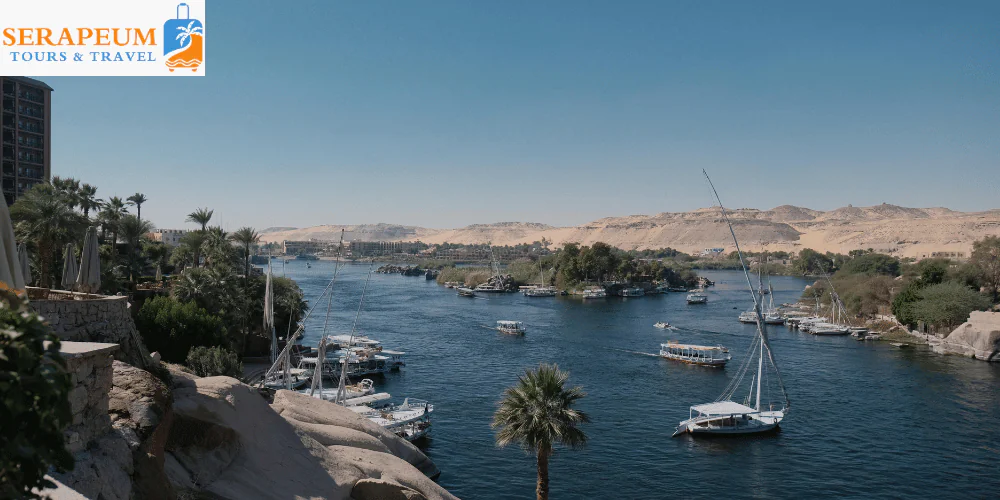
The best time to visit Luxor is generally from October to April, when daytime temperatures are more comfortable for outdoor exploration. This is especially important because most key attractions involve walking in open sun, often with limited shade.
Winter months are the most popular, and for good reason. The weather is easier, sightseeing feels more pleasant, and sunrise and sunset moments are especially rewarding. However, higher visitor numbers are common during peak holiday periods.
Summer brings much stronger heat. Luxor is still possible in hotter months, but it requires earlier starts, longer rest breaks, more hydration, and a stronger tolerance for desert conditions. If you are very sensitive to heat, cooler months are the better choice.
Best timing strategy
Visit major outdoor sites early in the morning, return to your hotel or slow down in the midday hours, then continue with lighter activities in the late afternoon or evening. This simple rhythm can improve your trip dramatically.
Practical Travel Tips for a Better Luxor Experience
The best luxor travel guide should not only tell you what to see, but also how to experience it with less stress. Luxor rewards travelers who plan with energy, climate, and site timing in mind.
- Start early. This is the single best tip. You will beat both heat and crowds.
- Wear comfortable walking shoes. Temple floors, tomb paths, and uneven surfaces make this essential.
- Carry water at all times. Dry heat can catch travelers off guard.
- Pack sun protection. A hat, sunglasses, and sunscreen are not optional in most seasons.
- Leave space in your schedule. Too many sites in one day can make everything blur together.
- Consider a guide for key monuments. A good explanation makes the ruins far more meaningful.
- Keep some cash available. Small purchases, tips, and local transport can be easier this way.
- Respect local customs. Modest, practical clothing is often the most comfortable and appropriate choice.
Another underrated tip is to mix “big history” with lighter experiences. For example, combine a major tomb visit with a slow lunch, a museum stop, or a Nile ride. This creates better pacing and helps you absorb the trip instead of simply checking off monuments.
Safety Tips for First-Time Visitors in Luxor
Luxor is generally considered one of the more straightforward destinations in Egypt for tourism, especially around well-known attractions and established hotels. Still, like any popular travel destination, it is wise to use common sense and plan carefully.
Simple safety habits that matter
- Use licensed or trusted transport whenever possible.
- Keep valuables secure and avoid carrying more cash than you need for the day.
- Stay hydrated and do not underestimate heat-related fatigue.
- Book tours and special experiences through reputable providers.
- Be polite but firm if you do not want to buy something or continue a conversation.
For many visitors, the biggest challenge in Luxor is not crime, but exhaustion from heat, over-scheduling, or poor timing. That is why smart pacing is also a safety choice. A traveler who is rested, hydrated, and moving with a clear plan is usually going to have a much better experience.
Planning Your Luxor Trip the Smart Way
Luxor works best when it fits into a wider travel plan. Some visitors arrive from Cairo by flight, others add Luxor after Aswan, and many connect it with a Nile cruise. Your ideal structure depends on how much time you have in Egypt and whether you want a fast highlights trip or a slower cultural itinerary.
If you are still shaping the bigger picture, start with Egypt as a whole, then place Luxor inside that plan rather than treating it in isolation. That helps with transport decisions, number of nights, and the balance between temples, city experiences, and rest days.
Plan better, travel smoother
Planning your trip? Check our complete Egypt Travel Guide.
You can also explore top destinations and travel ideas from our Plan Your Egypt Trip page.
Ready to organize your trip? Visit our Egypt Visa Requirements 2026: Complete Guide for All Nationalities page to get started.
For travelers comparing routes, sample itineraries, and destination ideas, it also helps to review the broader Egypt Travel Guide 2026: Everything You Need to Know and browse available tours in Egypt before finalizing your plan.
Frequently Asked Questions
Tap each question to open the answer.