
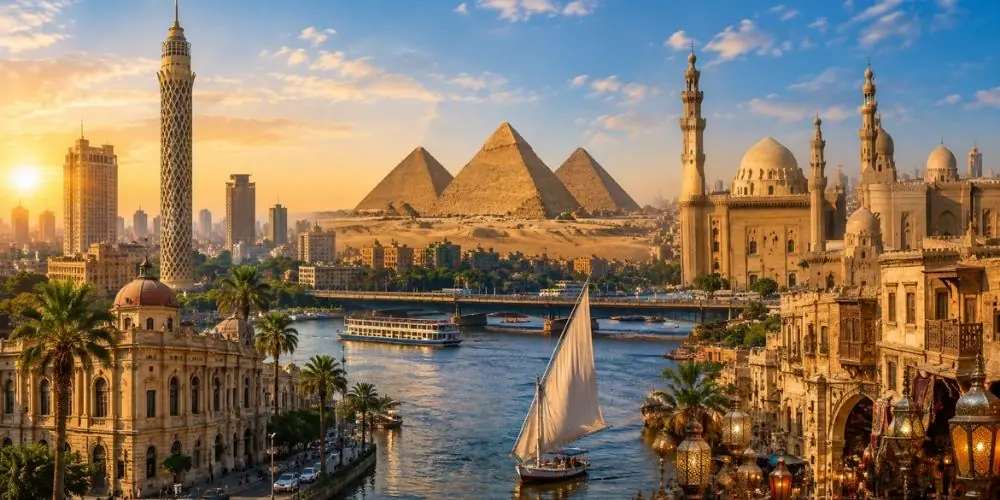
Cairo Travel Guide: Top Attractions, Local Tips & Itinerary (2026)
Discover one of the world’s oldest yet most exciting cities with this complete cairo travel guide. Whether you’re planning your first visit or returning to explore more of Egypt’s vibrant capital, this guide covers everything you need—from iconic landmarks and hidden gems to transportation, costs, local etiquette, and practical travel advice.
Home to over twenty million people, Cairo blends ancient history with modern energy in a way few cities can match. One moment you’re standing beneath the Great Pyramids of Giza, and the next you’re enjoying rooftop dining overlooking the Nile or browsing colorful markets filled with spices, handmade crafts, and centuries-old traditions.
This guide has been designed for independent travelers, couples, families, photographers, history enthusiasts, and anyone looking to experience Cairo efficiently while avoiding common tourist mistakes.
Introduction
Planning a trip to Egypt starts with understanding Cairo. As the country’s cultural, historical, and transportation hub, nearly every visitor passes through the capital. While many travelers come for the pyramids, they quickly discover that Cairo offers much more than ancient monuments.
From magnificent Islamic architecture and world-class museums to lively neighborhoods and unforgettable street food, Cairo rewards visitors who spend several days exploring beyond the usual highlights.
This comprehensive cairo travel guide explains where to stay, what to see, how much to budget, when to visit, how to stay safe, and how to build an itinerary that makes the most of your time.
Instead of simply listing attractions, this article focuses on practical travel planning. You’ll learn how to organize sightseeing efficiently, avoid unnecessary travel time, understand local customs, estimate daily expenses, and experience Cairo like a well-prepared traveler.
Table of Contents
Why Visit Cairo?
Few destinations combine thousands of years of history with the energy of a modern metropolis quite like Cairo. As Egypt’s capital, the city offers an unmatched opportunity to experience ancient civilization alongside everyday local life. Whether you’re fascinated by archaeology, architecture, cuisine, or culture, Cairo delivers memorable experiences at every turn.
The city serves as the gateway to the legendary Pyramids of Giza, the Great Sphinx, and the remarkable Grand Egyptian Museum. Yet beyond these world-famous landmarks lies a destination rich in neighborhoods, traditions, and authentic encounters that many travelers overlook.
One of Cairo’s greatest strengths is its diversity. You can begin your morning exploring Pharaonic treasures, spend the afternoon wandering medieval streets in Historic Cairo, relax at a riverside café overlooking the Nile by sunset, and finish the evening enjoying modern restaurants or vibrant nightlife in districts such as Zamalek or New Cairo.
🏺 Ancient Wonders
Visit some of humanity’s most iconic archaeological sites within easy reach of the city.
🏙️ Vibrant Culture
Experience authentic Egyptian hospitality, traditional markets, historic mosques, and lively neighborhoods.
🍽️ Incredible Food
Sample delicious local dishes ranging from koshary and falafel to grilled meats and traditional desserts.
💰 Great Value
Cairo remains one of the most affordable major capitals for travelers seeking world-class historical experiences.
For many visitors, Cairo is far more than a stop before a Nile cruise. It is a destination worthy of several days on its own, offering endless opportunities to discover the layers of Egypt’s remarkable past while enjoying the comforts and excitement of a dynamic modern city.
Top Attractions Every Visitor Should Experience
No cairo travel guide would be complete without exploring the city’s world-famous landmarks. While many travelers arrive with the pyramids at the top of their list, Cairo offers an impressive variety of historical, cultural, and modern attractions that deserve time in your itinerary.
1. The Great Pyramids of Giza & The Sphinx 📍
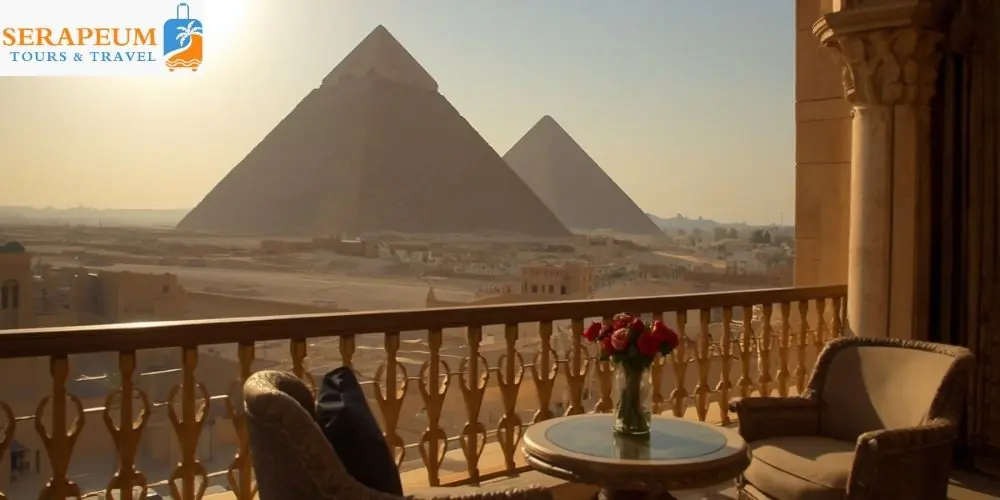
Located just outside central Cairo, the Pyramids of Giza remain Egypt’s most iconic attraction and one of the Seven Wonders of the Ancient World. Built over 4,500 years ago, these incredible monuments continue to amaze visitors with their engineering and scale.
The site includes the Great Pyramid of Khufu, the Pyramid of Khafre, the Pyramid of Menkaure, the Great Sphinx, panoramic viewpoints, camel rides, and several optional tomb visits.
2. Grand Egyptian Museum (GEM) 🏺
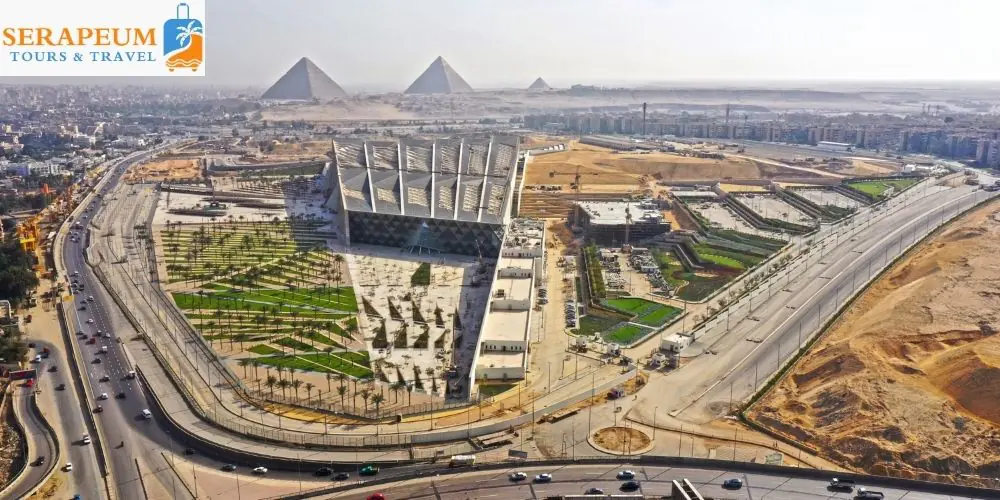
The Grand Egyptian Museum has quickly become one of the most important museums in the world. Designed to showcase thousands of ancient artifacts, including the treasures of King Tutankhamun, the museum offers an immersive journey through Egypt’s remarkable history.
Modern exhibition halls, interactive displays, spacious galleries, restaurants, cafés, and panoramic views of the pyramids make this a full-day destination rather than a short museum stop.
3. Historic Islamic Cairo
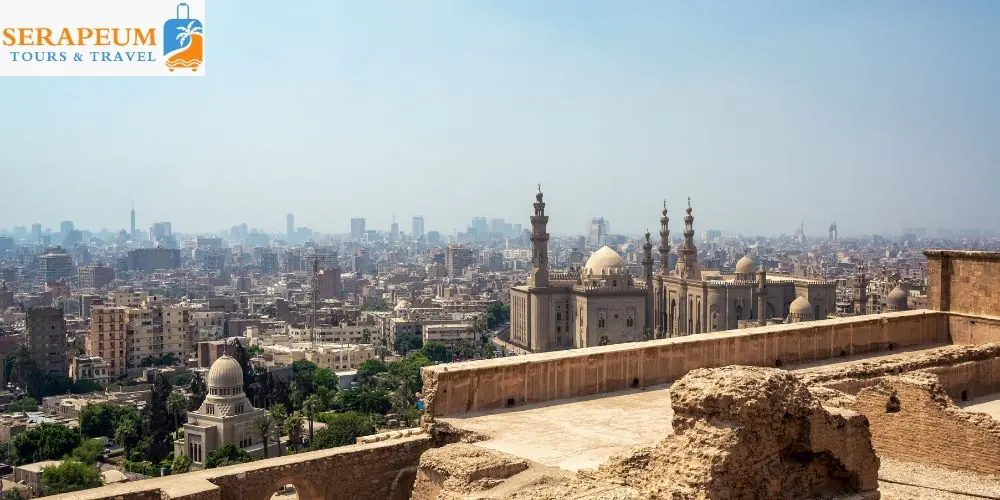
A UNESCO World Heritage Site, Historic Cairo preserves centuries of Islamic architecture, bustling markets, and beautifully restored monuments. Walking through these streets feels like stepping back into medieval Egypt.
Highlights include Sultan Hassan Mosque, Al-Rifa’i Mosque, Al-Muizz Street, Bab Zuweila, and numerous traditional houses converted into museums.
4. Khan El Khalili Bazaar 🛍️
One of the Middle East’s oldest marketplaces, Khan El Khalili offers an unforgettable shopping experience filled with handcrafted souvenirs, spices, perfumes, silver jewelry, lamps, textiles, leather goods, antiques, and traditional cafés.
Even if you are not planning to shop, wandering through the narrow alleys provides one of Cairo’s most authentic cultural experiences.
5. Cairo Citadel
Built by Salah El-Din (Saladin) during the 12th century, the Citadel dominates Cairo’s skyline and offers panoramic views across the city. Inside the fortress, visitors can explore museums, military exhibits, and one of Egypt’s most beautiful mosques.
The Mosque of Muhammad Ali, often called the Alabaster Mosque, remains the highlight thanks to its impressive Ottoman architecture and stunning interior.
6. Coptic Cairo
Coptic Cairo showcases another important chapter of Egypt’s history. This peaceful district contains some of the oldest Christian churches in the Middle East, including the Hanging Church, the Church of St. Sergius, and the Coptic Museum.
The area’s quiet atmosphere contrasts beautifully with the busy streets found elsewhere in the city.
7. Nile River Cruises 🚤

The Nile has shaped Egyptian civilization for thousands of years, and spending an evening on the river is one of Cairo’s most relaxing experiences.
Visitors can choose between luxury dinner cruises, traditional felucca sailing boats, or modern sightseeing cruises offering live entertainment and panoramic skyline views.
8. Zamalek District
Located on Gezira Island, Zamalek is one of Cairo’s most elegant neighborhoods. It combines leafy streets, boutique hotels, embassies, stylish cafés, fine dining restaurants, and art galleries.
Many travelers enjoy staying here because it offers a quieter atmosphere while remaining close to major attractions.
9. Al-Azhar Park 🌳
After days of sightseeing, Al-Azhar Park provides a welcome escape from Cairo’s busy streets. Beautiful gardens, fountains, walking paths, and restaurants make it one of the city’s best places to relax.
Sunset is particularly beautiful here, especially when overlooking Historic Cairo and its countless minarets.
10. National Museum of Egyptian Civilization (NMEC)
The NMEC presents Egypt’s history from prehistoric times to the modern era. Its Royal Mummies Hall offers visitors the opportunity to see many of Egypt’s famous pharaohs displayed in carefully designed galleries.
Unlike traditional museums, NMEC focuses on telling the story of Egyptian civilization across different historical periods rather than concentrating solely on the Pharaonic era.
| Attraction | Recommended Visit Time | Typical Duration |
|---|---|---|
| Great Pyramids of Giza | Early Morning | 4–6 Hours |
| Grand Egyptian Museum | Morning | 4–6 Hours |
| Khan El Khalili | Late Afternoon | 2–3 Hours |
| Islamic Cairo | Morning | Half Day |
| Coptic Cairo | Morning | 2–3 Hours |
| Citadel of Saladin | Morning | 2 Hours |
| Al-Azhar Park | Sunset | 2 Hours |
| Nile Dinner Cruise | Evening | 2–3 Hours |
Suggested Cairo Itinerary
A well-planned itinerary helps you avoid unnecessary travel across Cairo while allowing enough time to enjoy each attraction. Depending on your schedule, you can experience the city’s highlights in two or three days, although four or five days provide a more relaxed pace.
One-Day Cairo Highlights
- Great Pyramids of Giza
- Grand Egyptian Museum
- Nile Dinner Cruise
Two-Day Itinerary
Day One
- Pyramids of Giza
- Grand Egyptian Museum
- Evening in Zamalek
Day Two
- Citadel of Saladin
- Islamic Cairo
- Khan El Khalili Bazaar
- Traditional Egyptian Dinner
Three-Day Itinerary
Add Coptic Cairo, the National Museum of Egyptian Civilization, Al-Azhar Park, and additional time exploring local cafés and neighborhoods for a deeper cultural experience.
Getting Around Cairo
Cairo is a vast metropolitan city, but getting around is easier than many first-time visitors expect. Thanks to ride-hailing apps, an expanding metro system, and affordable taxis, travelers have several transportation options depending on their budget and itinerary.
Ride-Hailing Apps 🚖
Apps such as Uber and Careem are the preferred choice for most international visitors. They provide transparent pricing, GPS navigation, and cashless payment options, reducing the need to negotiate fares.
Cairo Metro 🚇
The Cairo Metro is one of Africa’s oldest and busiest metro systems. It is inexpensive, reliable, and particularly useful for avoiding heavy traffic on longer journeys.
Although the metro does not directly reach every tourist attraction, it connects several important districts and can significantly reduce travel time.
Traditional Taxis
White taxis remain widely available throughout Cairo. If you choose one, ensure the meter is used before beginning your journey or agree on the fare in advance.
Private Tours & Drivers
For travelers planning to visit several attractions in one day, hiring a private driver or guided tour can save valuable time and eliminate transportation concerns.
| Transport Option | Best For | Budget |
|---|---|---|
| Uber / Careem | Most Travelers | $ |
| Metro | Budget Travel | $ |
| Taxi | Short Trips | $$ |
| Private Driver | Families & Full-Day Tours | $$$ |
How Much Does a Trip to Cairo Cost?
Compared with many major international cities, Cairo offers excellent value for money. Whether you are a backpacker or a luxury traveler, there are accommodation, dining, and transportation options for almost every budget.
Average Daily Budget
| Travel Style | Estimated Daily Budget |
|---|---|
| Budget Traveler | $35–60 |
| Mid-Range Traveler | $80–150 |
| Luxury Traveler | $250+ |
Typical Expenses
| Item | Estimated Cost |
|---|---|
| Local Breakfast | $2–5 |
| Restaurant Lunch | $6–15 |
| Fine Dining Dinner | $25–60 |
| Uber Ride | $2–10 |
| Museum Entry | Varies by attraction |
| Guided Day Tour | $60–150 |
Cash is still useful for small shops, local cafés, and traditional markets, although credit cards are accepted at most hotels, shopping malls, and upscale restaurants.
Best Time to Visit Cairo
Choosing the right season can greatly improve your experience. Cairo enjoys sunshine throughout the year, but temperatures vary significantly between summer and winter.
October to April ⭐
This is generally considered the best time to visit Cairo. Pleasant daytime temperatures make sightseeing comfortable, while evenings remain cool enough for walking tours and outdoor dining.
May and September
These shoulder-season months offer fewer crowds and reasonable hotel prices. Daytime temperatures begin to rise, but sightseeing remains manageable with early starts and regular breaks.
June to August ☀️
Summer brings intense heat, especially during midday. Travelers visiting during these months should prioritize indoor attractions, museums, and sightseeing in the early morning or after sunset.
| Season | Weather | Crowds | Recommendation |
|---|---|---|---|
| Winter (Dec–Feb) | Mild | High | Excellent |
| Spring (Mar–Apr) | Warm | Medium | Excellent |
| Summer (Jun–Aug) | Very Hot | Lower | Good with Planning |
| Autumn (Sep–Nov) | Pleasant | Medium | Excellent |
Food & Local Experiences
One of the highlights of visiting Cairo is discovering its rich culinary scene. Egyptian cuisine combines centuries of tradition with fresh local ingredients, creating flavorful dishes that are both satisfying and affordable. From lively street food vendors to elegant Nile-view restaurants, every meal offers a chance to experience Egyptian hospitality.

Must-Try Egyptian Dishes 🍽️
Koshary
Egypt’s national dish combines rice, pasta, lentils, chickpeas, crispy fried onions, tomato sauce, and garlic vinegar. It is filling, inexpensive, and loved by locals.
Ful Medames
A traditional breakfast made from slow-cooked fava beans, typically served with olive oil, lemon juice, vegetables, and fresh Egyptian bread.
Taameya
Egyptian-style falafel made with fava beans rather than chickpeas. Crispy on the outside and soft inside, it is often enjoyed as breakfast or a quick snack.
Molokhia
A classic Egyptian soup prepared from finely chopped jute leaves and served with rice, chicken, rabbit, or beef.
Mahshi
Vegetables such as peppers, zucchini, eggplant, and vine leaves stuffed with seasoned rice, herbs, and spices.
Mixed Grill
A popular dinner option featuring grilled kofta, kebab, chicken, and lamb served with rice, bread, salads, and tahini.
Traditional Desserts 🍮
Leave room for dessert. Egyptian sweets such as Om Ali, Basbousa, Konafa, Baklava, and Rice Pudding are widely available in cafés and traditional pastry shops throughout Cairo.
Authentic Local Experiences
Beyond famous attractions, Cairo rewards travelers who immerse themselves in everyday life. Enjoy mint tea at a historic café, take a sunset felucca ride on the Nile, watch local artisans at work in Khan El Khalili, or attend a traditional Sufi dance performance for an unforgettable cultural experience.
For photography enthusiasts, sunrise around Giza and sunset overlooking Historic Cairo offer some of the city’s most spectacular lighting conditions.
Shopping Guide
Shopping in Cairo ranges from centuries-old bazaars to modern shopping malls. Whether you’re searching for handcrafted souvenirs or luxury international brands, the city offers something for every traveler.
Best Souvenirs to Buy
- Handmade papyrus artwork
- Alabaster statues
- Silver and gold jewelry
- Traditional lanterns
- Handwoven carpets
- Leather products
- Egyptian cotton clothing
- Spices and herbal teas
- Perfume oils
- Handcrafted pottery
Where to Shop
| Location | Best For |
|---|---|
| Khan El Khalili | Traditional souvenirs and local crafts |
| Zamalek Boutiques | Art galleries and designer products |
| Citystars Mall | International fashion brands |
| Cairo Festival City Mall | Luxury shopping and entertainment |
If purchasing antiques or valuable artifacts, ensure they comply with Egyptian export regulations and buy only from reputable licensed dealers.
Safety Tips for Travelers
Cairo welcomes millions of international visitors every year and remains one of the Middle East’s most popular travel destinations. Like any major global city, staying aware of your surroundings and following basic travel precautions will help ensure a comfortable visit.
General Safety Advice 🛡️
- Keep valuables secure in crowded areas.
- Carry only the cash you need for the day.
- Use licensed transportation or trusted ride-hailing apps.
- Respect local customs and dress modestly when visiting religious sites.
- Stay hydrated, especially during warmer months.
- Keep digital copies of your passport and travel documents.
- Purchase travel insurance before your trip.
Health Tips
Bring sunscreen, comfortable walking shoes, sunglasses, and any personal medication you may require. Most hotels and restaurants maintain good hygiene standards, but bottled drinking water is recommended.
Money & Payments
Major hotels, shopping centers, and upscale restaurants accept international credit cards. However, smaller cafés, local markets, and street vendors often prefer cash, making it useful to carry small denominations of Egyptian Pounds.
By planning ahead, respecting local culture, and remaining aware of your surroundings, you’ll likely find Cairo to be an exciting, welcoming, and unforgettable destination.
Planning Your Egypt Trip
A successful Cairo vacation starts with careful planning. Booking accommodations early, organizing airport transfers, purchasing attraction tickets in advance when available, and building a realistic sightseeing schedule will help you enjoy the city without unnecessary stress.
If this is your first time visiting Egypt, consider allowing at least three full days in Cairo before continuing to destinations such as Luxor, Aswan, Alexandria, or the Red Sea resorts.
Ready to Plan Your Adventure? ✈️
Planning your trip? Check our complete Egypt Travel Guide.
You can also explore top destinations and travel ideas from our Plan Your Egypt Trip page.
Ready to organize your trip? Visit our Egypt Visa Requirements 2026: Complete Guide for All Nationalities page to get started.
Frequently Asked Questions
Is Cairo safe for tourists?
Yes. Cairo welcomes millions of visitors each year. By following normal travel precautions, using reputable transportation, and respecting local customs, most travelers enjoy a safe and rewarding experience.
How many days should I spend in Cairo?
Three to four full days allow enough time to explore the city’s major historical attractions, museums, neighborhoods, and local dining scene without rushing.
What is the best month to visit Cairo?
October through April generally offers the most comfortable weather for sightseeing, walking tours, and outdoor activities.
Can I visit the Pyramids and the Grand Egyptian Museum in one day?
Yes. Since both attractions are located close to one another, many travelers successfully combine them into a full-day itinerary.
Do I need cash in Cairo?
Yes. Although credit cards are widely accepted in hotels and large restaurants, carrying Egyptian Pounds is useful for local markets, cafés, transportation, and small purchases.
What should I wear in Cairo?
Lightweight, breathable clothing is ideal. When visiting mosques or religious sites, modest clothing covering shoulders and knees is recommended.