
Giza Pyramids Complete Visitor Guide: Tickets, Tips & Best Time
Planning to visit the pyramids in Egypt? This practical Giza Pyramids guide covers what to see, how to plan your visit, ticket strategy, the best time to go, what to expect on the ground, and the small details that can make a major difference to your day.
The Giza Pyramids are one of those places that look familiar long before you arrive. You have probably seen the Great Pyramid in photographs, documentaries, and travel videos. In person, however, the experience is much bigger, busier, and more detailed than a single famous viewpoint suggests. A good Giza Pyramids guide therefore needs to answer more than “How do I get there?” You also need to know when to arrive, which tickets matter, how much walking is involved, where the best views are, and how to avoid wasting time once you enter the plateau.
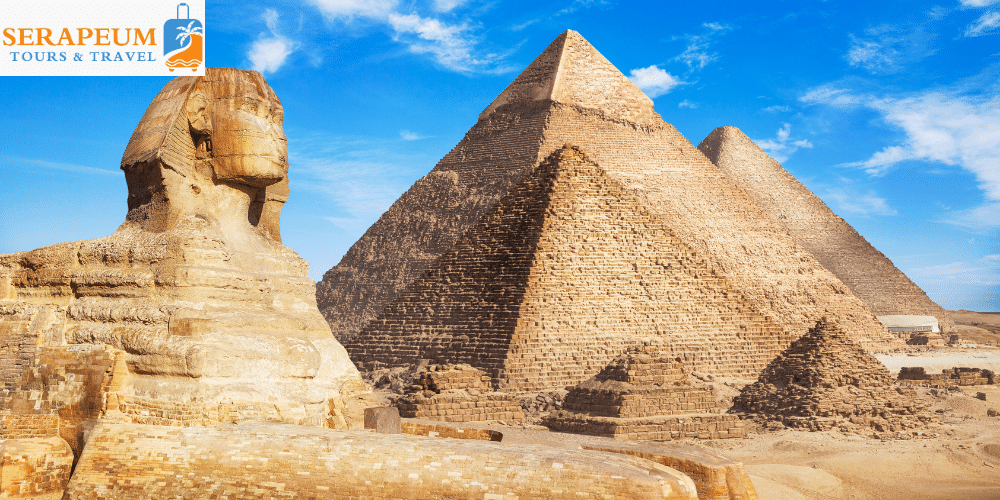
The Giza Plateau is not simply one monument. It is a large archaeological area containing the Great Pyramid of Khufu, the Pyramid of Khafre, the Pyramid of Menkaure, the Great Sphinx, smaller pyramids and tombs, viewpoints, and other ancient structures. The distances between some areas are easy to underestimate, especially under the Egyptian sun.
This guide is designed around real visitor decisions. Instead of giving you a long list of ancient-history facts, it focuses on how to turn your visit into a smoother half-day or full-day experience. Ticket prices and access rules can change, so always confirm the current admission options through the official Egyptian authorities or your licensed tour provider before your visit.
Why Visit the Giza Pyramids?
The Giza Pyramids are among the most recognizable archaeological monuments on Earth, but their importance is not only visual. They are part of a vast ancient funerary landscape that reveals how much planning, engineering, labor organization, religious belief, and political power went into Egypt’s Old Kingdom.
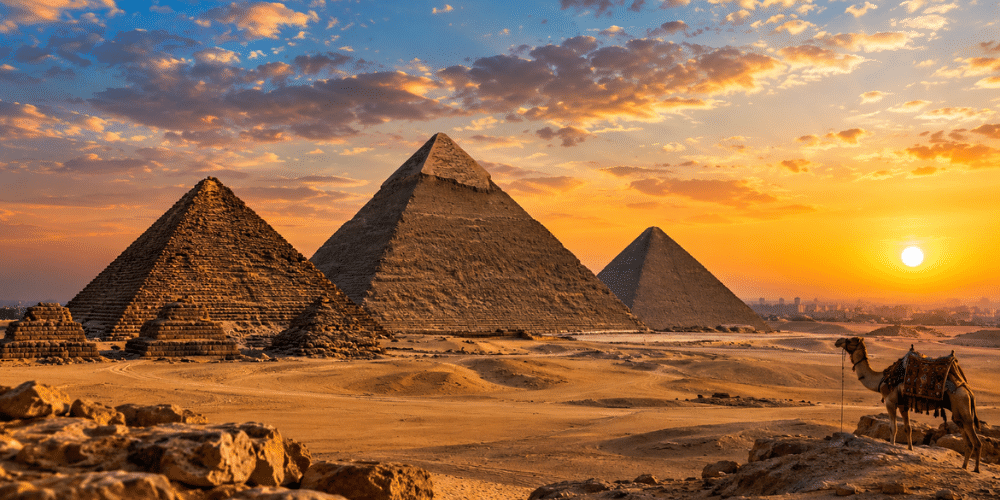
The Great Pyramid of Khufu is the largest of the three main pyramids. Beside it are the Pyramid of Khafre, which retains part of its original outer casing near the top, and the smaller Pyramid of Menkaure. The three structures create the iconic skyline most travelers associate with Giza.
What to See at the Giza Plateau
The Great Pyramid of Khufu
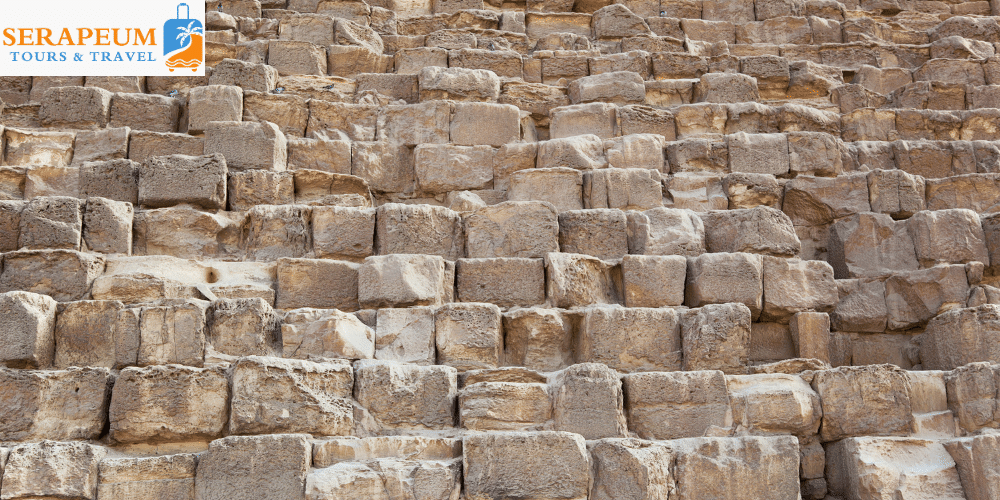
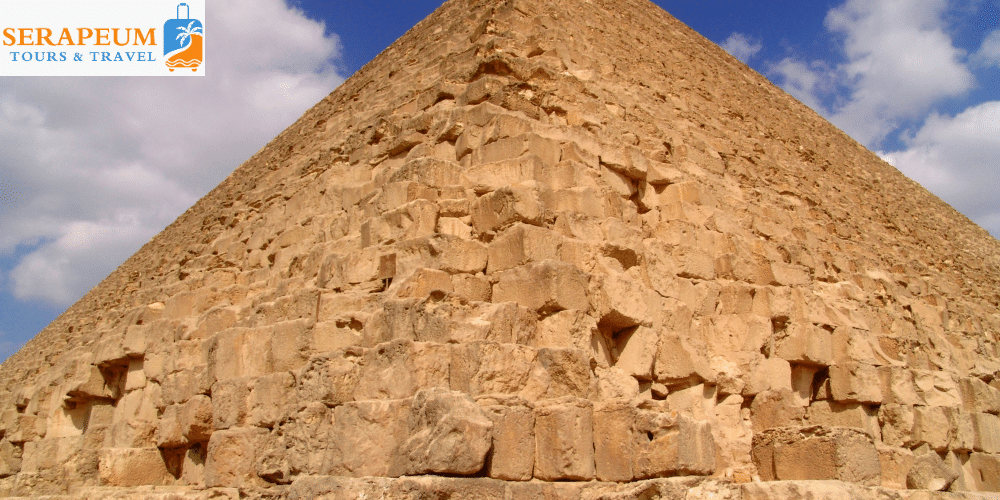
The Great Pyramid is the centerpiece of the plateau and the largest of the Giza pyramids. Standing close to its enormous limestone blocks gives you a very different sense of scale than seeing it from a distance.
Visitors should distinguish between seeing the Great Pyramid from outside and entering its interior. Interior access may require a separate ticket and can involve narrow passages, low ceilings, stairs, heat, and physically demanding sections. If you are uncomfortable in confined spaces, consider whether the interior experience is right for you before purchasing an additional ticket.
The Pyramid of Khafre
Khafre’s pyramid is often mistaken for the largest because it sits on higher ground and still has a visible section of casing near its summit. It is an essential part of the classic Giza skyline and an excellent reminder that perspective can be misleading when viewing the pyramids together.
The Pyramid of Menkaure
Menkaure is smaller than the other two main pyramids, but it completes the monumental group. Its location also helps visitors understand the scale and spacing of the wider necropolis.
The Great Sphinx
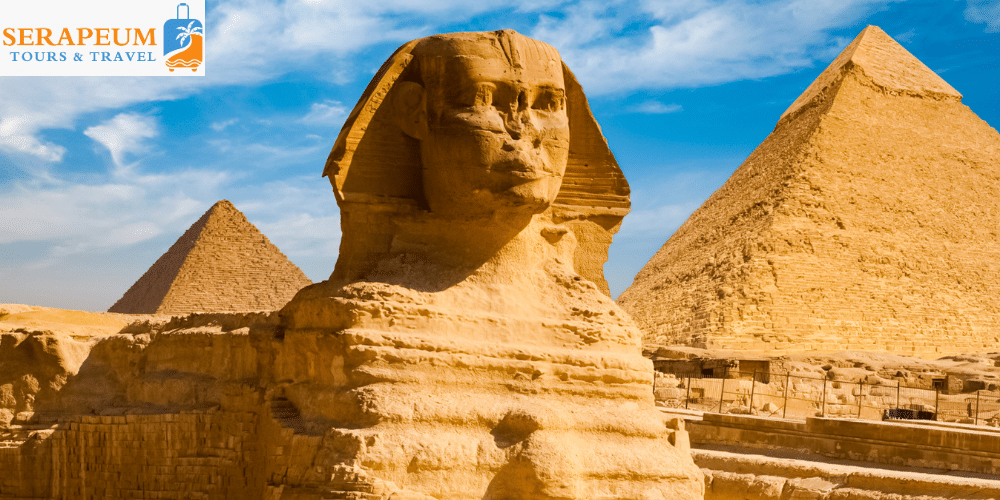
The Great Sphinx is one of the most photographed monuments in Egypt. Its human-headed, lion-bodied form is closely associated with the Giza complex and deserves time beyond a quick photo stop.
The Sphinx area is especially useful when you plan your route logically. Depending on your entrance and itinerary, visiting the pyramids first and the Sphinx later can create a more natural progression through the site.
The Panoramic Viewpoints
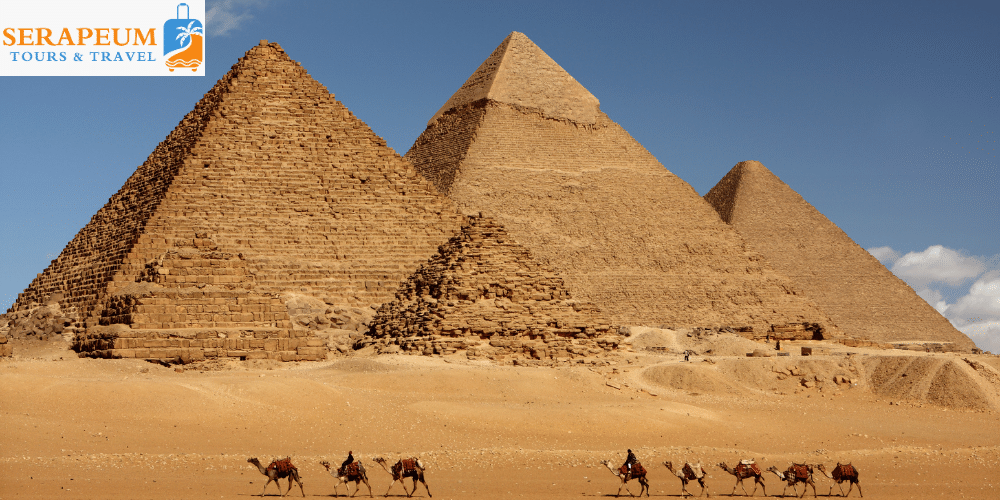
One of the most useful additions to any Giza itinerary is time at a panoramic viewpoint. From the right position, the three pyramids can appear together, making it easier to appreciate their relationship within the landscape.
This is also where comfortable footwear becomes important. Some visitors arrive expecting a short walk between monuments and discover that the combination of distance, uneven ground, sand, and heat makes the plateau more demanding than expected.
Giza Pyramids Tickets & Entry Strategy
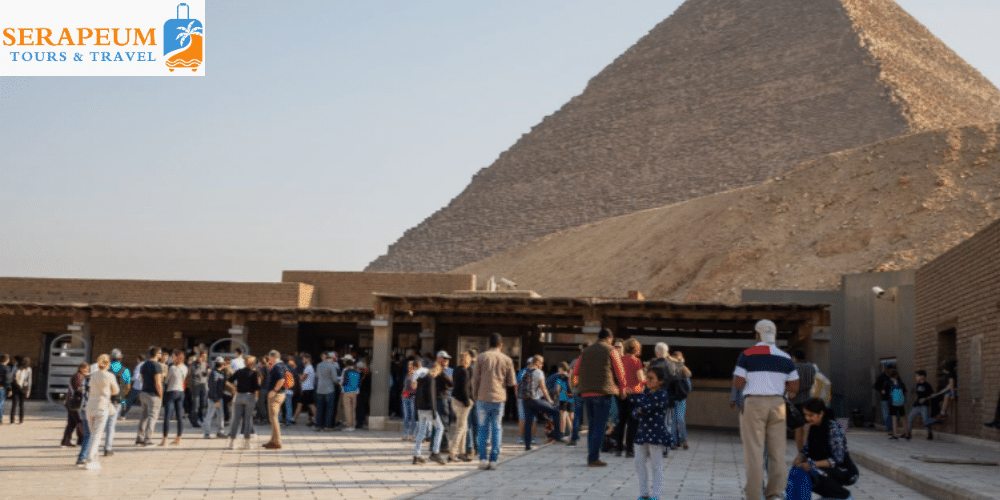
Ticket arrangements at archaeological sites can change, and different access levels may cover different areas. For that reason, do not rely on an old blog post or a photograph of a price list when planning your budget.
Before visiting, confirm the latest admission information, opening arrangements, and any separate tickets required for interior access. If you are booking a guided tour, ask exactly what is included rather than assuming every pyramid interior is covered.
| Access Type | What It Usually Means | Planning Note |
|---|---|---|
| Plateau admission | Access to the main archaeological area and exterior views. | Essential for virtually every visitor. |
| Interior pyramid access | Entry inside a designated pyramid where available. | May require an additional ticket and physical effort. |
| Guided visit | A guide accompanies you through selected parts of the site. | Useful if you want historical context and help with logistics. |
| Private tour | Usually combines transport, guide services and a flexible itinerary. | Confirm inclusions, entrance fees and duration before booking. |
How Long Do You Need at the Giza Pyramids?
For many travelers, three to four hours is a practical minimum for seeing the main highlights without turning the visit into a race. A longer visit gives you more flexibility for viewpoints, photography, historical interpretation, and a slower pace.
| Available Time | Suggested Approach |
|---|---|
| 2 hours | Focus on the main pyramid views and the Sphinx. Keep the route compact. |
| 3–4 hours | Ideal for the main monuments, panoramic viewpoints and a more relaxed pace. |
| Half day | Best balance for first-time visitors who want to explore properly without spending the entire day. |
| Full day | Useful if combining Giza with nearby attractions, museums or a longer guided experience. |
A common mistake is to schedule the pyramids as a tiny stop between several other Cairo attractions. Giza deserves breathing room. The site is visually impressive, but the experience improves when you are not watching the clock every ten minutes.
Best Time to Visit the Giza Pyramids
The best time to visit depends on two things: the weather and the kind of experience you want. Egypt’s climate is generally sunny and dry, but temperatures can become intense, particularly in the warmer months.
Best Time of Day
Early morning is usually the most comfortable choice. Temperatures are lower, the light can be attractive for photography, and you have more energy for walking across the plateau.
Late afternoon can also be appealing, particularly for softer light. However, you should plan carefully around the site’s seasonal opening hours and allow enough time to reach the areas you want to see before closing.
Best Months to Visit
For many international travelers, the cooler period from roughly late autumn through early spring is more comfortable for outdoor sightseeing. Winter can be especially pleasant during the day, although mornings and evenings may feel cool.
Spring and autumn can offer a useful balance between comfortable sightseeing conditions and seasonal travel demand. Summer is possible, but the heat can significantly affect how long you want to remain outside.
How to Plan Your Giza Pyramids Visit
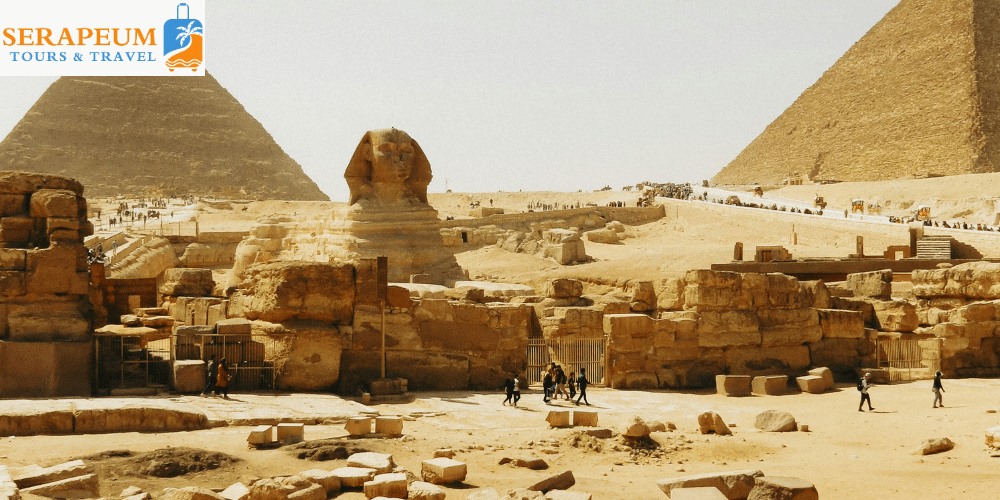
1. Choose Your Visit Style
You can explore Giza independently, hire a local guide, or book a private or group tour. Each approach has a different balance of flexibility, explanation and logistics.
Independent visitors have more control over pace, while a knowledgeable guide can make the monuments easier to understand and can help structure the route. For first-time visitors with limited time in Cairo, organized transport can also reduce the logistical burden.
2. Start With the Main Pyramids
Begin with the monuments that matter most to you. If the Great Pyramid is the main reason for your visit, do not leave it until the end of the day when you may be tired or short on time.
3. Build in a Viewpoint Stop
Do not judge the site only from the entrance area. The panoramic viewpoints provide a different perspective and are often where travelers get their strongest overall photographs.
4. Visit the Sphinx as Part of a Route
Treat the Sphinx as a major stop rather than an afterthought. Its position allows it to work naturally as part of a loop through the archaeological area.
5. Leave Extra Time for Real-World Delays
Traffic in Greater Cairo can be unpredictable. If you have a flight, train, cruise departure or fixed dinner reservation afterward, avoid creating an itinerary with no buffer.
If you are building a wider Egypt itinerary, you can also connect Giza with a longer Egypt travel plan covering Cairo and other major destinations.
What to Bring to the Giza Pyramids
- Comfortable walking shoes with good grip.
- Water, especially during warmer months.
- Sunscreen and sunglasses.
- A hat or other sun protection.
- Light, breathable clothing appropriate for outdoor sightseeing.
- A phone or camera with enough battery for several hours.
- A small amount of cash for incidental expenses where appropriate.
- Any tickets, booking confirmations or identification required for your visit.
Avoid carrying more than you need. A small day bag is easier to manage on uneven ground and in crowded areas.
Giza Pyramids Visit Costs
Your total cost depends on whether you visit independently or as part of a guided experience. Entrance tickets are only one part of the budget. Transport, guide services, optional interior access, food and other activities can all change the final amount.
| Expense | What to Consider |
|---|---|
| Entrance tickets | Check the latest official rates and whether additional monument access is separate. |
| Transport | Costs vary significantly depending on your starting point and transport method. |
| Guide | Private guiding generally costs more but provides a more flexible experience. |
| Food and drinks | Budget for water and a meal or snack if your visit extends across several hours. |
| Optional experiences | Additional activities can increase the total cost, so decide what matters before booking. |
For travelers comparing tour options, look beyond the headline price. Check whether entrance fees, hotel pickup, transportation, guide service and any optional activities are included. A slightly higher advertised price can represent better value if fewer costs are added later.
Giza Pyramids Safety & Practical Tips
Giza is a major tourist attraction, and most visits are straightforward when you prepare properly. The biggest practical issues for many travelers are heat, walking, crowds, traffic and unsolicited offers rather than anything mysterious about visiting the site.
- Stay hydrated and take breaks when needed.
- Keep valuables secure in crowded areas.
- Agree on prices for any optional service before accepting it.
- Use official ticket channels or reputable tour operators.
- Do not climb monuments where access is prohibited.
- Follow instructions from site staff and security personnel.
- Allow extra time when traveling to or from Giza because Cairo traffic can be heavy.
If someone approaches you with an unexpected offer of assistance, a photograph, transport or a service, you do not need to accept. A simple and polite “no, thank you” is usually enough. If you do want a service, establish the price and terms first.
A Simple Giza Pyramids Itinerary
If this is your first visit, the following structure works well for a half-day trip:
- Arrive early: Start when temperatures are more comfortable and you have maximum flexibility.
- See the Great Pyramid: Take time to appreciate its scale before moving on.
- Explore Khafre and Menkaure: Look at the three pyramids as one planned landscape rather than isolated monuments.
- Visit a panoramic viewpoint: Use the wider perspective to understand the arrangement of the plateau.
- Continue toward the Sphinx: Give yourself time for both the monument and its surrounding complex.
- Finish with a break: Have water or a meal before continuing with the rest of your Cairo itinerary.
This route is intentionally flexible. The best sequence can change according to your entrance point, ticket type, opening arrangements, weather and whether you are traveling with children or older family members.
If you are combining Giza with Luxor, consider planning the two destinations separately rather than trying to absorb Egypt’s ancient sites in one rushed schedule. Our Luxor Travel Guide can help you plan the next stage of your itinerary.
Planning Your Egypt Trip
Planning your trip? Check our complete Egypt Travel Guide.
You can also explore top destinations and travel ideas from our Plan Your Egypt Trip page.
Ready to organize your trip? Visit our Egypt Travel Guide 2026: Everything You Need to Know page to get started.
If you are visiting Egypt from abroad, it is also useful to check the latest entry requirements before booking flights and finalizing your itinerary.
Giza is often the first major archaeological stop on an Egypt itinerary, but it does not have to be the only one. With enough time, you can build a route connecting Cairo with destinations such as Luxor, Aswan, Alexandria and the Red Sea.
For visa planning, see our dedicated Egypt Visa Requirements 2026: Complete Guide for All Nationalities and confirm requirements for your nationality before travel.
Frequently Asked Questions About the Giza Pyramids
1. What is the best time to visit the Giza Pyramids?
Early morning is usually the most comfortable choice because temperatures are lower and you have more time to explore before the strongest heat. Late afternoon can also provide attractive light, subject to opening hours.
2. How many hours do I need at the Giza Pyramids?
Plan for around three to four hours for a comfortable first visit covering the major pyramids, viewpoints and the Sphinx. A longer visit is useful if you want interior access or a slower guided experience.
3. Can you go inside the Great Pyramid?
Interior access is available subject to current site rules and ticket arrangements. It is physically demanding in places, with narrow passages and low sections, so visitors should consider their comfort and mobility before entering.
4. Do I need a guide for the Giza Pyramids?
No, a guide is not essential for every traveler. However, a qualified guide can add historical context, help structure the route and make logistics easier, especially for a first visit.
5. What should I wear to the Giza Pyramids?
Wear comfortable, breathable clothing and practical walking shoes. Sun protection is important because much of the visit takes place outdoors with limited shade.
6. Are the Giza Pyramids suitable for children?
Yes, many families visit Giza successfully. Plan shorter walking sections, carry water, avoid the hottest part of the day when possible, and consider the physical demands of any interior pyramid visit.
7. Can I visit Giza and other Cairo attractions on the same day?
Yes, but the number of additional attractions depends on your start time, transport, traffic and how deeply you want to explore Giza. A rushed schedule can make the day less enjoyable.
Final Thoughts: Make Your Giza Visit Count
The Giza Pyramids are not a destination that needs complicated planning, but they do reward thoughtful planning. Arriving at a comfortable time, understanding your ticket options, wearing the right shoes, carrying water and giving yourself enough time can completely change the experience.
Most importantly, do not treat the pyramids as a single photo stop. Look at the relationship between Khufu, Khafre, Menkaure and the Sphinx. Walk far enough to experience the changing viewpoints. Pause and take in the scale of the plateau. Those details are what turn a quick sightseeing stop into a meaningful visit.
Whether you are spending a few days in Cairo or building a longer Egypt itinerary, Giza is a natural starting point. With the right preparation, you can enjoy one of the world’s great archaeological landscapes without spending the day feeling rushed, overheated or unsure about what to do next.