
25 Best Things to Do in Luxor, Egypt (2026 Guide)
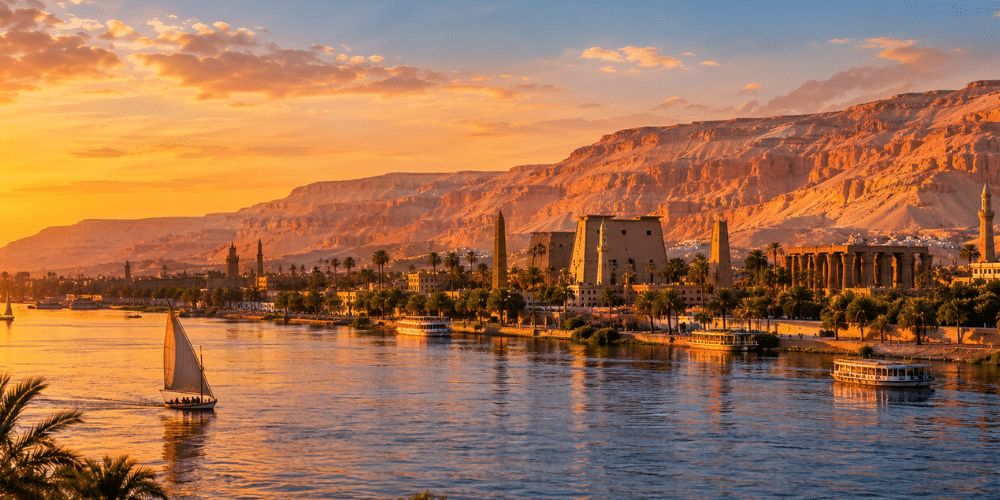
Looking for the best things to do in Luxor? Luxor is where ancient Egypt becomes part of the landscape around you. Instead of seeing the country’s major monuments as isolated attractions, you can spend a morning inside a temple, cross the Nile for the Valley of the Kings, watch the cliffs turn golden at sunset, and end the day beside the river.
The key to enjoying Luxor is not trying to check every monument off a list as quickly as possible. The city and its surrounding archaeological sites are spread across both banks of the Nile, and each area has a different character. The East Bank is centered on monumental temples and city life, while the West Bank is home to royal tombs, mortuary temples, villages, agricultural land, and the dramatic Theban cliffs.
This guide focuses on what is genuinely useful when planning a first or repeat visit: which places deserve your time, how to group attractions geographically, what to do early in the day, when a Nile felucca makes sense, and how to avoid turning a fascinating ancient city into an exhausting sightseeing marathon.
25 Best Things to Do in Luxor
1. Explore Karnak Temple Complex
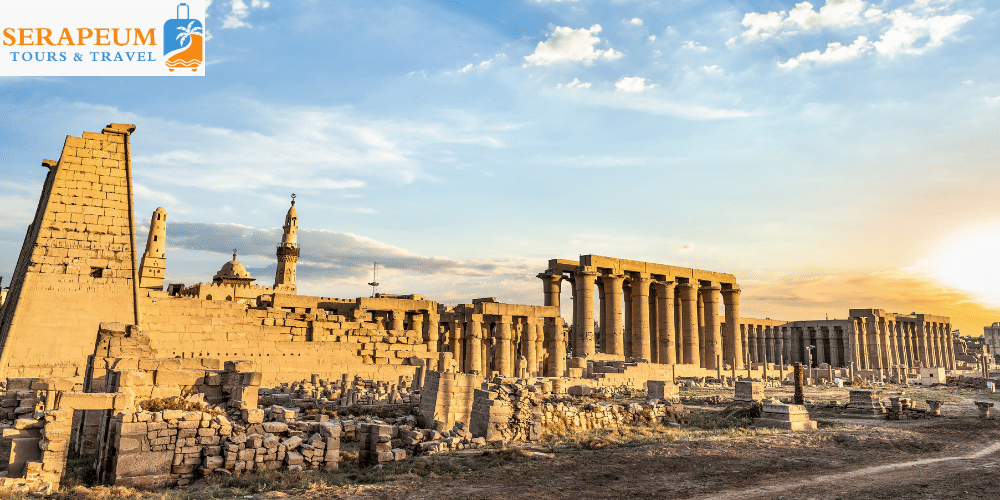
Start with Karnak if you want to understand the scale of ancient Thebes. The complex grew over many centuries and contains monumental gateways, courtyards, sanctuaries, columns, statues, and sacred spaces associated with several periods of ancient Egyptian history.
The Great Hypostyle Hall is the visual highlight for many visitors. Its enormous columns make it easy to appreciate why photographs often fail to convey the scale of the site. Go early when possible, especially during warmer months, because much of the complex is exposed to the sun.
2. Visit Luxor Temple After Sunset
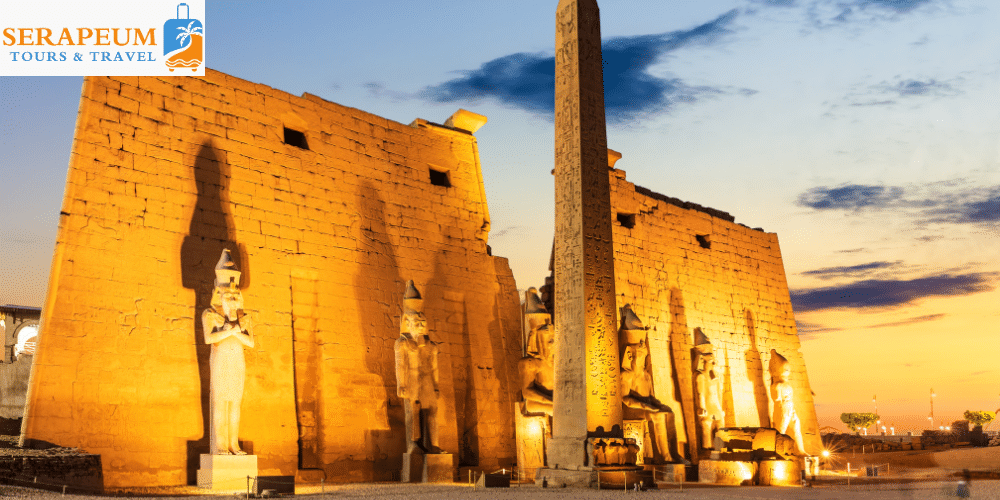
Luxor Temple feels different in the evening. Artificial lighting emphasizes the columns, statues, and monumental walls while the temperature becomes more comfortable than during the middle of the day.
The temple was closely connected with ancient Theban religious life and the royal ideology of several pharaohs. Its location in modern Luxor also makes it unusually easy to combine with dinner or an evening walk along the Nile.
3. Walk Along the Nile Corniche
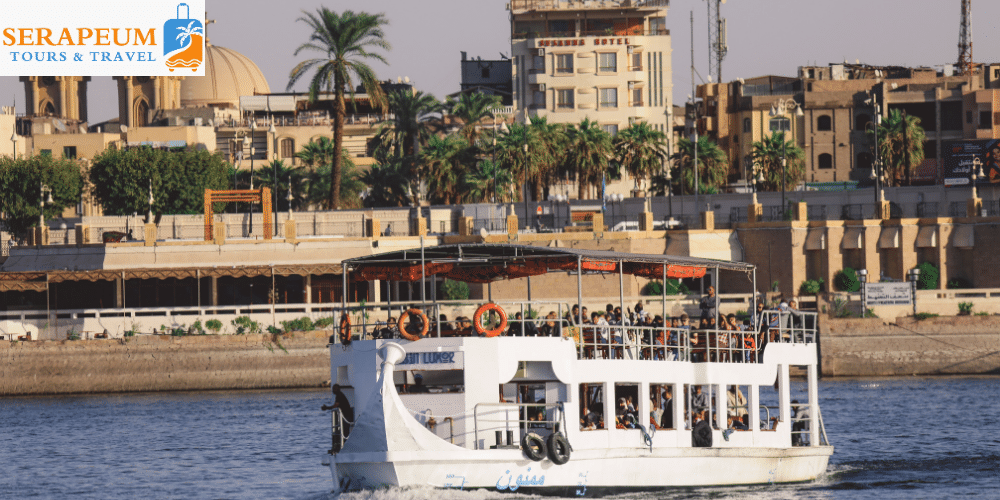
Not every worthwhile Luxor experience requires an entrance ticket. A walk along the Nile Corniche gives you a chance to slow down after visiting temples and watch boats move between the two banks.
Late afternoon is particularly pleasant. You can use this time as a break between major archaeological visits rather than adding another demanding attraction to your itinerary.
4. Discover the Valley of the Kings
The Valley of the Kings is one of the essential stops on any list of things to do in Luxor. The valley contains royal tombs carved into the limestone cliffs of the West Bank, including the tombs of famous New Kingdom rulers.
Do not make the mistake of assuming that the most famous tomb name automatically means the best experience. Tomb availability, included tickets, heat, crowds, and your personal interest all matter. A guide can also help you understand the decoration rather than simply looking at colorful walls.
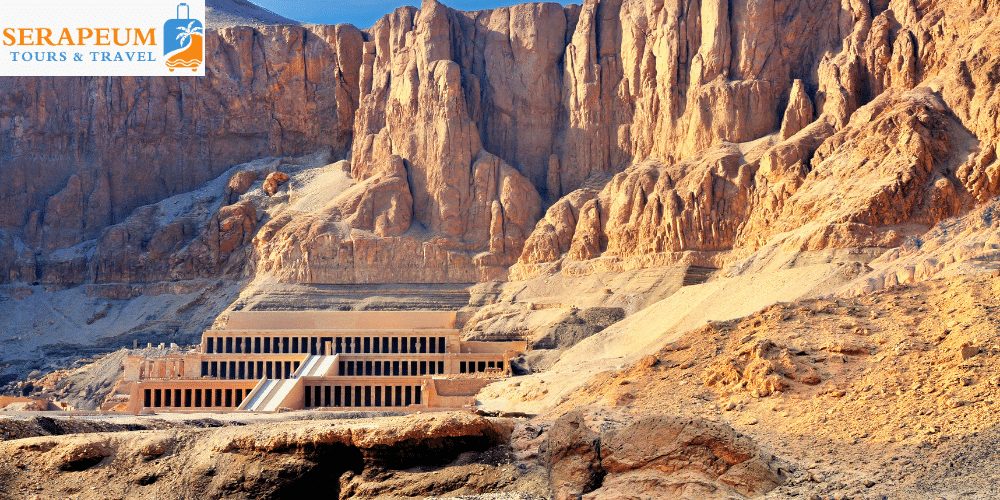
5. See Hatshepsut Temple at Deir el-Bahari
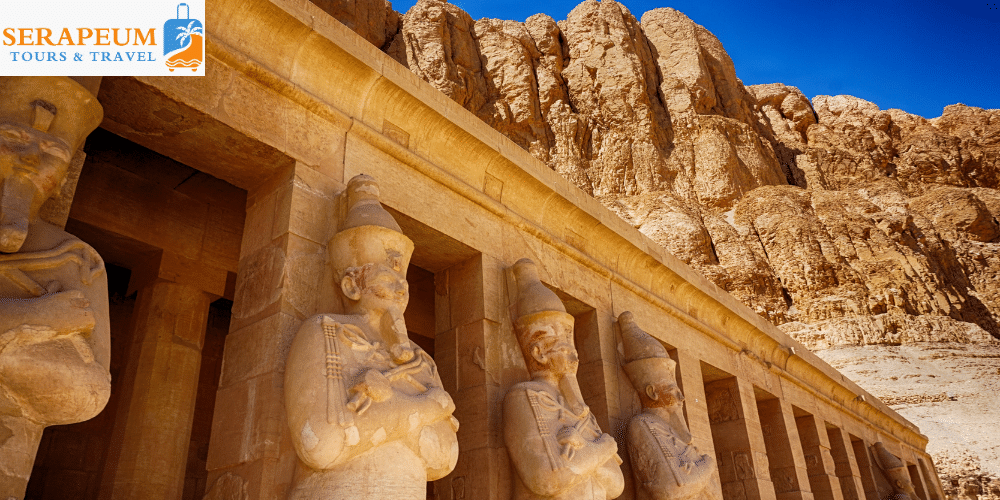
Hatshepsut’s mortuary temple is one of Luxor’s most recognizable monuments. Its terraces rise against the cliffs, creating a striking combination of architecture and natural scenery.
Visit early if possible. The open terraces can become hot, and the site is much easier to appreciate when you are not rushing between tour groups.
6. Stop at the Colossi of Memnon
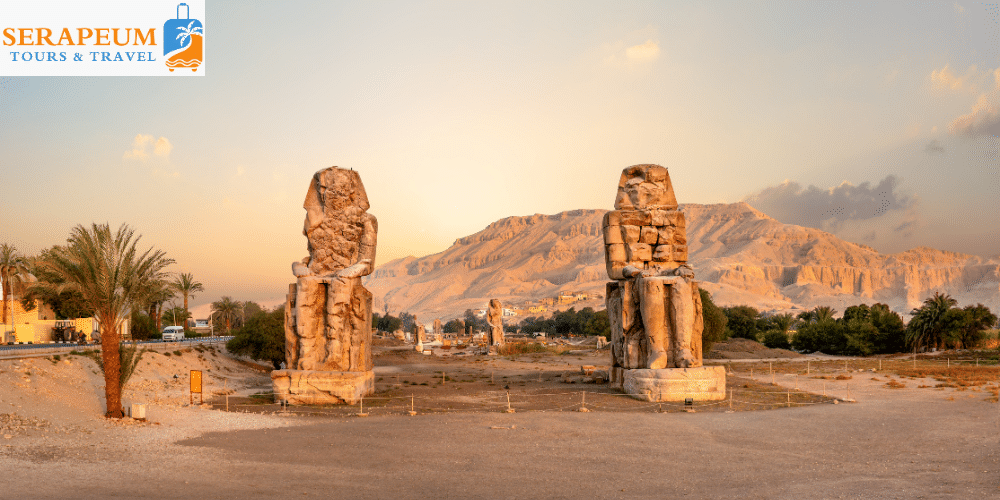
The Colossi of Memnon are two enormous seated statues standing near the road on Luxor’s West Bank. They are easy to include on a West Bank sightseeing route and make a useful first or last stop depending on your itinerary.
The statues are remnants of a much larger ancient complex associated with Amenhotep III. Their dramatic size makes even a short visit worthwhile.
7. Visit Medinet Habu
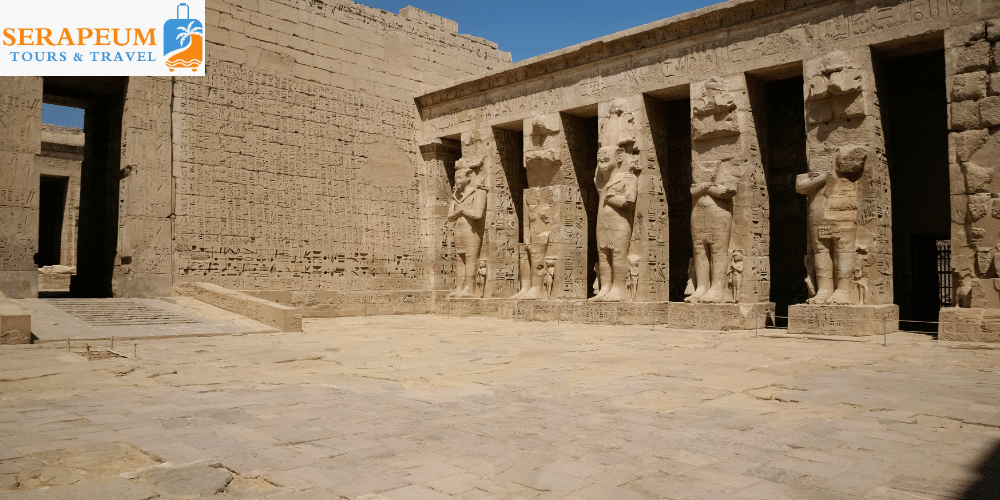
Medinet Habu is often overshadowed by the Valley of the Kings and Hatshepsut Temple, but travelers who enjoy ancient Egyptian architecture should make room for it. The mortuary temple of Ramesses III contains large decorated walls and substantial architectural remains.
One practical advantage is that it can feel less rushed than the headline attractions. If your goal is to spend more time actually looking at reliefs and inscriptions, this is a valuable addition.
8. Explore the Tombs of the Nobles
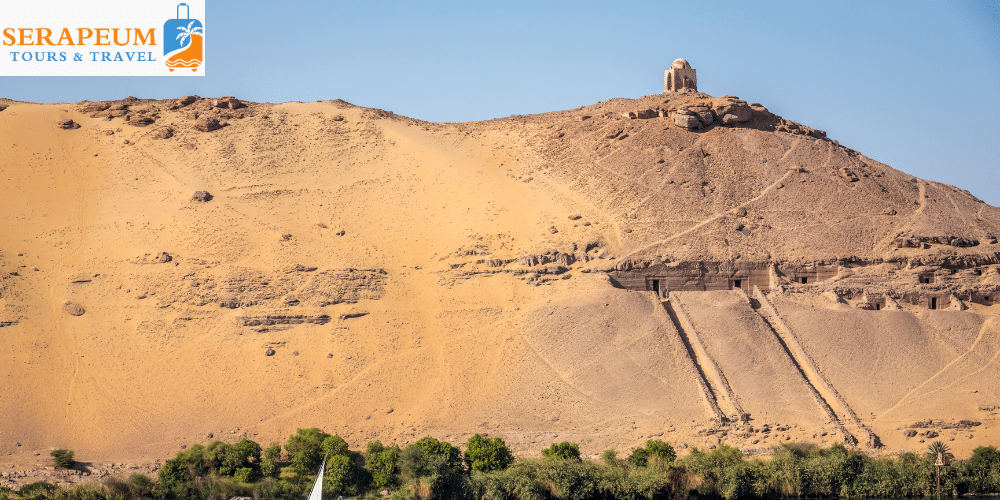
The Tombs of the Nobles provide a different perspective on ancient Egyptian life. Royal tombs focus heavily on kingship and the afterlife, while many private tombs reveal scenes of agriculture, crafts, food production, family life, and social status.
This is one of the best choices for visitors who want context beyond famous pharaohs. The experience also rewards travelers who enjoy detailed wall paintings rather than monumental scale.
9. Visit Deir el-Medina
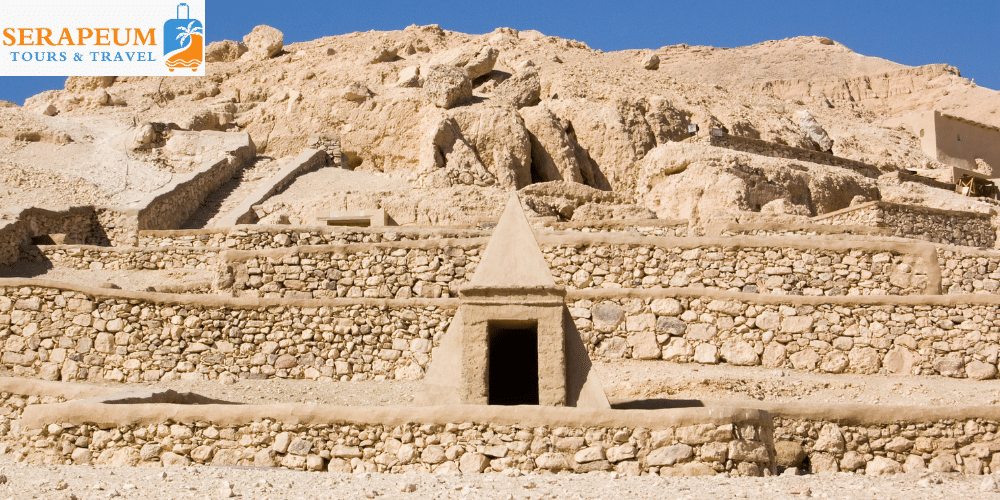
Deir el-Medina was the settlement of workers and craftsmen who created and decorated royal tombs. That makes the site especially interesting: you are not only looking at the monuments they produced, but also at the community connected with their work.
The nearby tombs are smaller than the major royal tombs but can contain exceptionally detailed decoration. This is a good place to add depth to a West Bank day.
10. See the Temple of Seti I
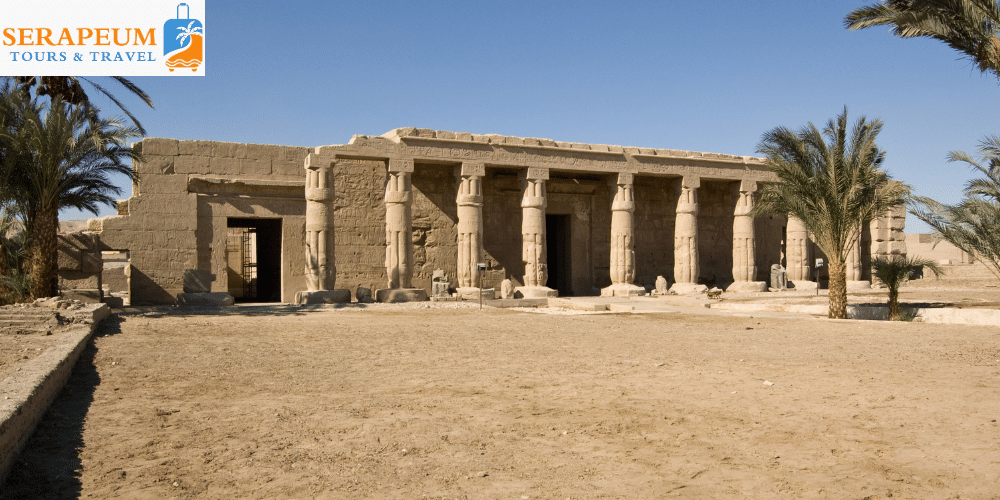
The Temple of Seti I at Abydos is not in Luxor itself, so it should be treated as a longer day trip rather than a quick Luxor attraction. If your Egypt itinerary allows the extra travel time, Abydos can be paired with other sites in the area.
Its reliefs and historical importance make it particularly appealing to travelers who have already explored Luxor’s principal temples and want to go deeper into ancient Egyptian history.
11. Take a Sunrise Hot Air Balloon Ride
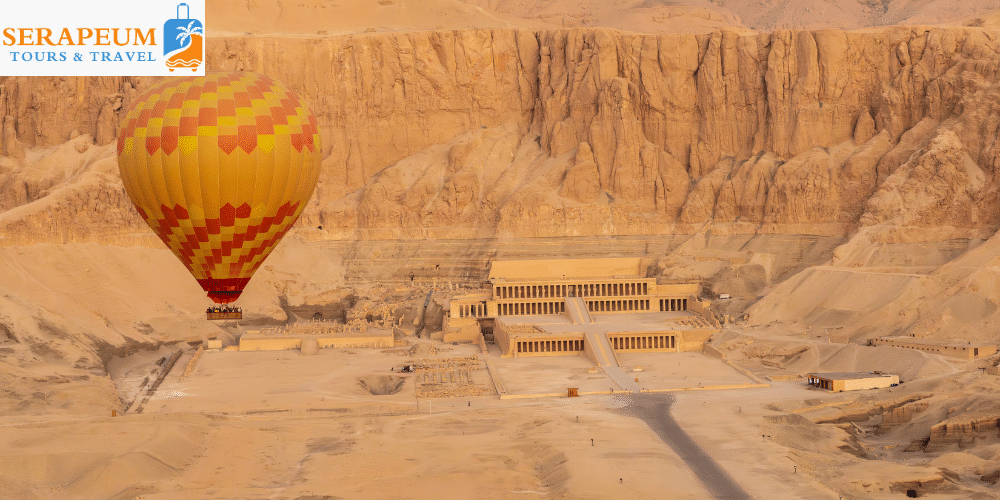
A hot air balloon flight over the West Bank offers one of the most unusual ways to see Luxor. From above, the contrast between green agricultural land, desert, archaeological sites, villages, and the Nile becomes immediately clear.
Balloon flights depend on weather and operational conditions, so do not build your entire trip around a single flight. Book with an established operator and expect an early start.
12. Take a Felucca Ride on the Nile
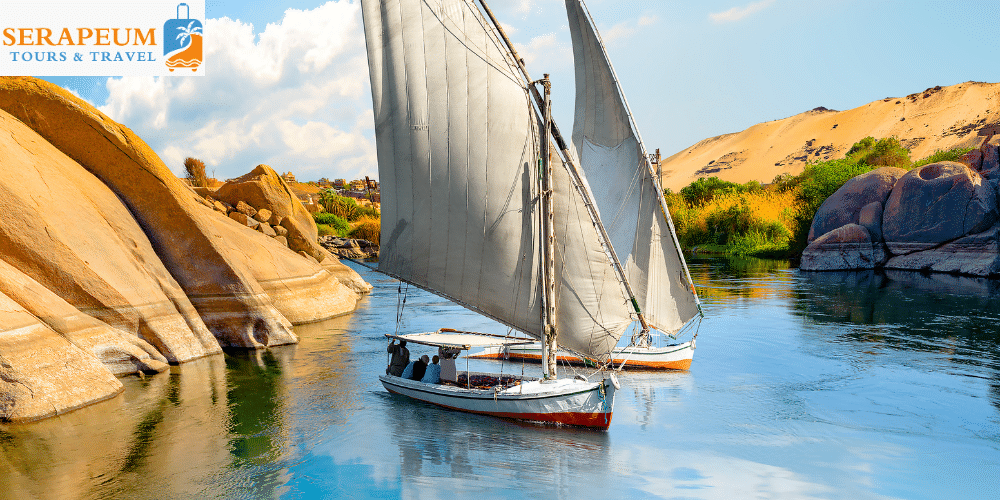
A traditional felucca is a simple sailing boat that offers a slower alternative to organized sightseeing. A short sunset trip can be especially relaxing after a full day of temples.
The experience is about atmosphere rather than transportation. Wind conditions affect the sailing, so allow flexibility if you want a longer journey.
13. Take a Short Motorboat Ride
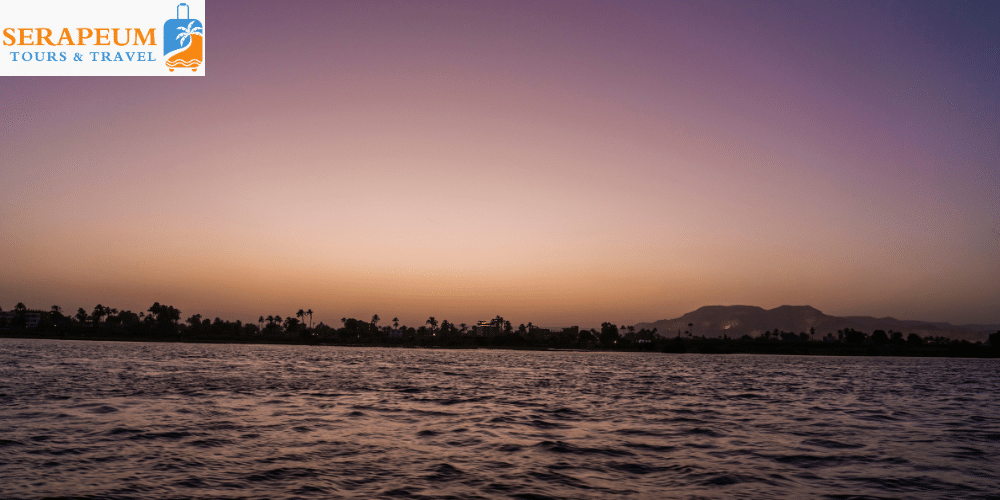
When the wind is weak or you simply want to cross the river efficiently, a motorboat can be practical. It also gives you a close-up view of the Nile without committing to a long cruise.
This works particularly well when moving between the East and West Banks during a busy sightseeing day.
14. Watch the Sunset From the West Bank
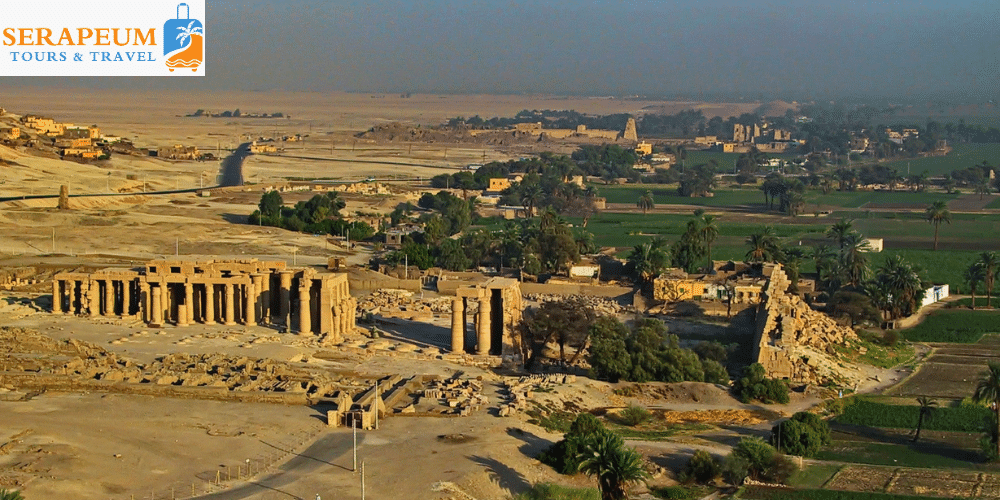
The West Bank’s position facing the Nile and the eastern horizon creates beautiful late-day views. Instead of adding another monument at the end of your schedule, consider leaving an hour free for sunset.
The best moments often come when the light falls across the agricultural fields and the Theban cliffs. It is one of the easiest ways to make your Luxor itinerary feel less like a checklist.
15. Visit the Luxor Museum
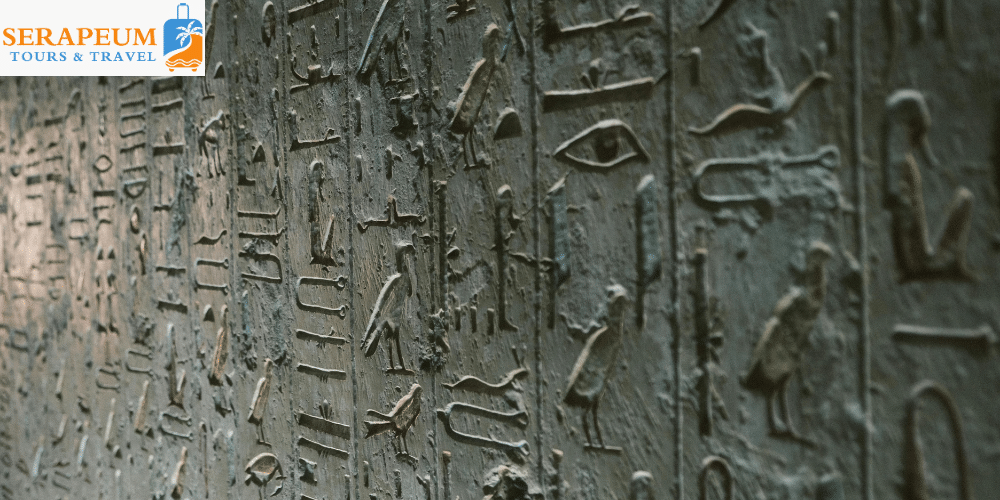
Luxor Museum is a useful complement to the archaeological sites. After seeing huge temples and tombs, a museum visit allows you to slow down and examine selected objects in a quieter setting.
It can be particularly helpful if you want more historical context before visiting the West Bank, or if the afternoon heat makes outdoor sightseeing less appealing.
16. Visit the Mummification Museum
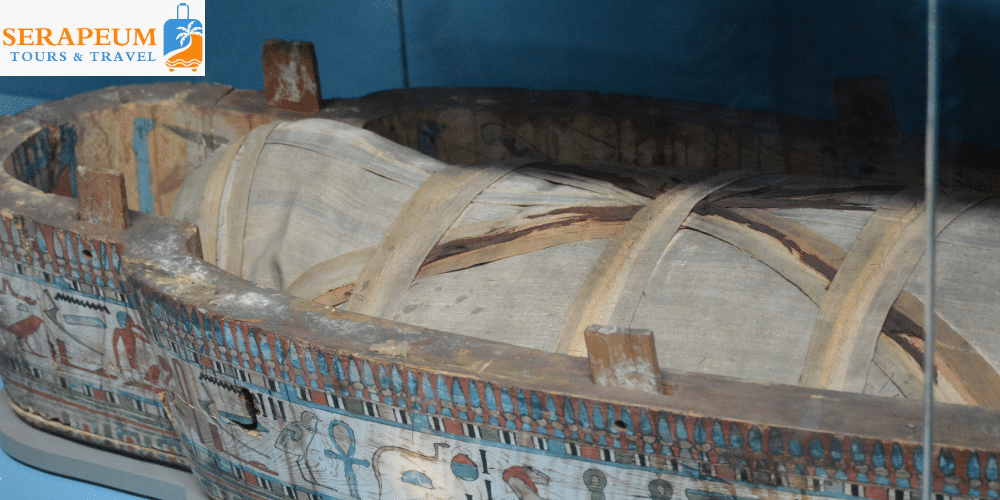
The Mummification Museum focuses on the ancient Egyptian practice of preparing the dead for the afterlife. It provides a more specialized perspective than Luxor’s major temples.
Because it is relatively focused, it works well as a short cultural stop rather than an attraction that requires half a day.
17. Explore the Avenue of Sphinxes
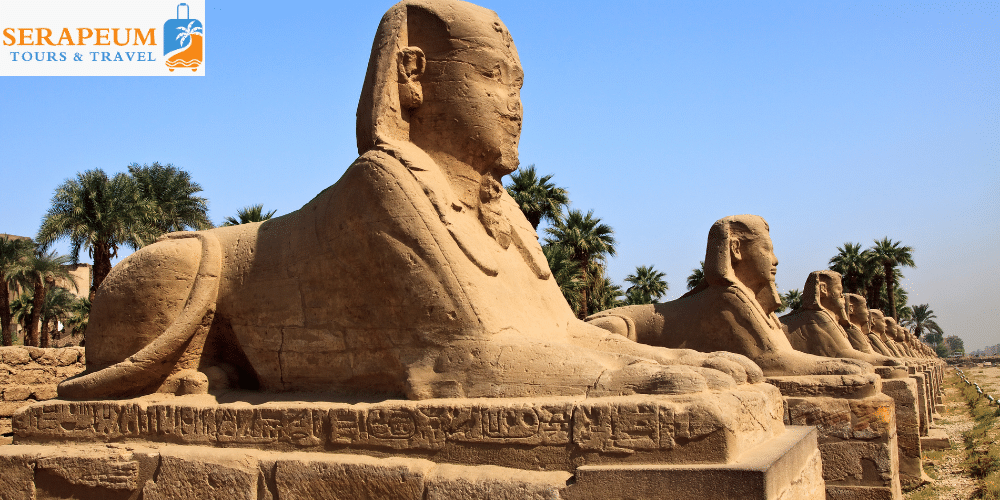
The ancient route connecting Karnak and Luxor temples is associated with the Avenue of Sphinxes. Parts of this historic corridor have been restored and opened to visitors, giving modern travelers a better sense of the relationship between the two major temple complexes.
Combine the avenue with Luxor Temple rather than treating it as a completely separate half-day activity.
18. Visit the Temple of Ramesses II at Karnak
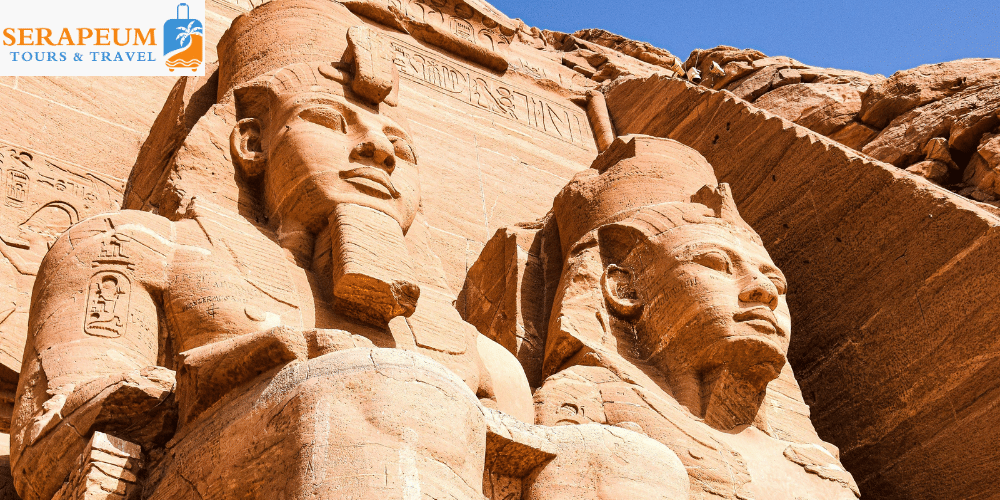
Karnak is so large that it deserves more than a quick walk through the main entrance. Spend time looking at the different sections and identifying monuments from different rulers.
If you are traveling with a guide, ask for a route based on your interests. An archaeology-focused visit can feel very different from a highlights-only tour.
19. Explore Luxor’s Local Markets
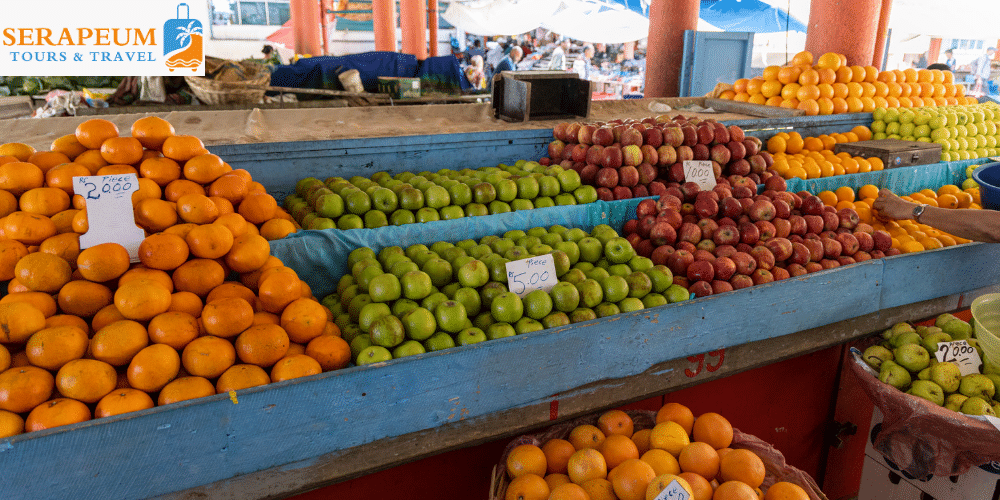
A market walk gives you a break from ancient history and introduces a more contemporary side of the city. Expect spices, household goods, clothing, souvenirs, and everyday local shopping.
Bargaining can be part of the experience, but keep it friendly and realistic. You do not need to negotiate every small purchase aggressively.
20. Try Egyptian Food in Luxor

Make food part of the itinerary rather than treating meals as something squeezed between attractions. Egyptian staples such as koshari, ful, falafel, grilled meats, rice, vegetables, and freshly baked bread can make a simple meal memorable.
Ask your hotel or a trusted local guide for recommendations that match your preferred budget and style. Popular tourist areas and local neighborhoods can offer very different dining experiences.
21. Stay on the West Bank for a Night
Staying on Luxor’s West Bank can change the rhythm of your trip. Instead of crossing the river after every visit, you can wake up closer to several archaeological sites and enjoy a quieter atmosphere.
This option is especially attractive to travelers who prefer small guesthouses, views of farmland, and a slower pace.
22. Take a Nile Cruise From Luxor
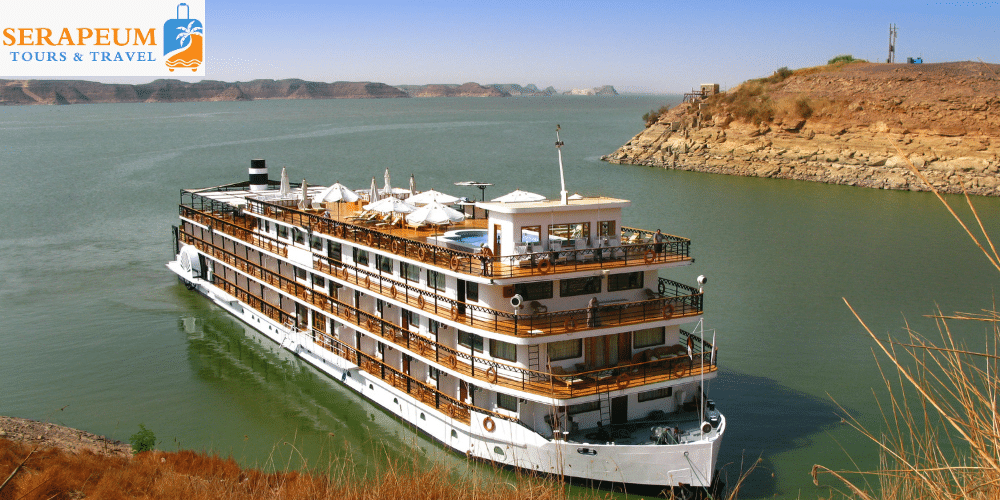
A Nile cruise between Luxor and Aswan is more than a hotel on the water. It can turn transportation into part of the sightseeing experience, with scheduled stops at major temples along the river.
Cruise schedules vary, so check the actual itinerary rather than booking based only on the number of nights. If you are already planning to visit Aswan, combining the two destinations can be an efficient way to structure an Egypt trip.
23. Visit the Ramesseum
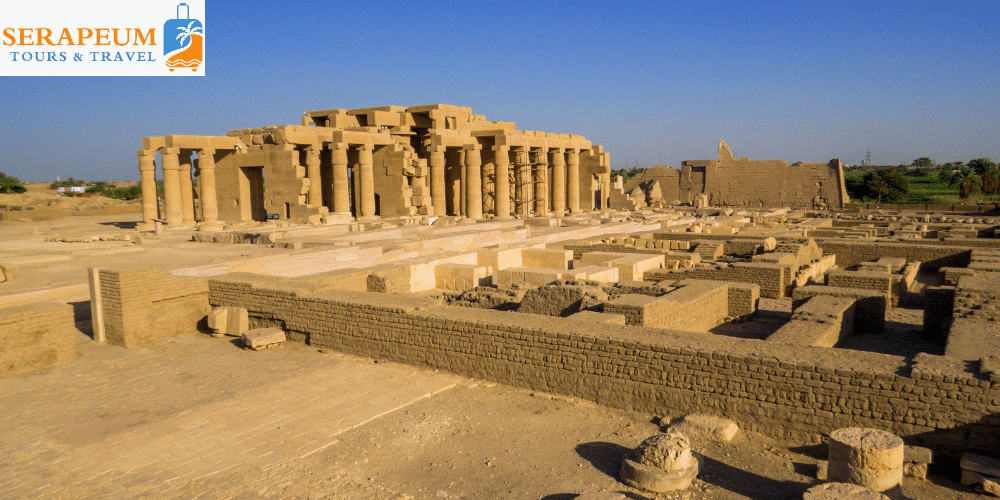
The Ramesseum is the mortuary temple associated with Ramesses II. It is another West Bank site where the remains provide a strong sense of the original monumental scale.
Add it when you want to go beyond the standard first-time itinerary. It works particularly well with Medinet Habu and other nearby monuments.
24. Photograph the Nile From a Local Boat
Luxor is one of those destinations where the landscape itself deserves attention. A short boat trip can provide photographs that are very different from standard temple images.
Early morning and late afternoon usually provide softer light. Remember that photography rules can differ inside individual archaeological sites, particularly around sensitive areas and museum collections.
25. Simply Slow Down and Enjoy Luxor
The final recommendation may sound obvious, but it is one of the most important. Luxor rewards travelers who leave breathing room in the schedule.
Instead of visiting seven monuments in one day, choose three or four meaningful stops and give yourself time for lunch, a boat ride, a museum, a sunset, or an unplanned walk. Ancient Thebes is not something you need to rush through.
Best East Bank Experiences in Luxor
The East Bank is the easier side of Luxor for combining sightseeing with restaurants, hotels, shops, the Corniche, and evening activities. It is also where you find Karnak and Luxor Temple.
If you are planning several days in Egypt, you can also use the Luxor Travel Guide for a broader overview of neighborhoods, logistics, and first-time planning.
Best West Bank Experiences
The West Bank is where Luxor becomes especially immersive. The road moves between modern villages, farmland, desert foothills, and ancient monuments. Because the attractions are spread out, grouping them geographically saves time and reduces unnecessary driving.
| West Bank Stop | Why Visit | Planning Note |
|---|---|---|
| Valley of the Kings | Royal tombs and New Kingdom history | Go early and check which tombs are included or separately ticketed. |
| Hatshepsut Temple | Terraced architecture beneath the cliffs | Combine with nearby sites rather than crossing back and forth. |
| Medinet Habu | Large temple remains and detailed reliefs | Worth adding for travelers interested in deeper history. |
| Deir el-Medina | Ancient craftsmen’s settlement and decorated tombs | Allow extra time if you enjoy smaller archaeological sites. |
| Colossi of Memnon | Iconic monumental statues | Easy to include on a West Bank route. |
Nile Experiences and Things to Do Beyond the Temples
One of the biggest mistakes first-time visitors make is treating Luxor as an archaeological theme park. The monuments are extraordinary, but the Nile is what gives the city its wider sense of place.
A short felucca ride, a sunset on the river, or an evening walk can create useful pauses between demanding visits. These moments also help you experience the difference between the desert edge and the fertile Nile Valley.
If you are considering a Nile cruise, compare the actual route, departure day, cabin category, included excursions, and transfer arrangements. The cruise can be a convenient way to connect Luxor with Aswan, but it should fit your wider Egypt itinerary rather than replace time you specifically wanted to spend exploring Luxor.
How Many Days Do You Need in Luxor?
For a first visit, two full days can cover the major highlights, while three days gives you much more breathing room. Travelers with a strong interest in archaeology can easily spend longer.
| Time | Suggested Focus |
|---|---|
| 1 Day | Karnak, Luxor Temple, and a carefully selected West Bank highlight if logistics allow. |
| 2 Days | East Bank temples on one day; Valley of the Kings, Hatshepsut, Colossi and another West Bank site on the second. |
| 3 Days | Add Medinet Habu, Deir el-Medina, museums, a felucca ride, or a hot air balloon experience. |
| 4+ Days | Explore lesser-visited archaeological sites or combine Luxor with a Nile cruise toward Aswan. |
A Practical Two-Day Luxor Plan
Day 1: Start at Karnak. Take a midday break for lunch and rest, then visit Luxor Temple later in the day. Finish with the Nile Corniche or a sunset boat ride.
Day 2: Cross to the West Bank early. Visit the Valley of the Kings, Hatshepsut Temple and Colossi of Memnon, then add Medinet Habu or Deir el-Medina if energy and opening hours allow.
A More Relaxed Three-Day Plan
Use the first day for Karnak and Luxor Temple, the second for the principal West Bank monuments, and the third for smaller sites, museums, a boat trip, food experiences, or simply a slower day.
Luxor Costs and Budget Tips
Your Luxor budget depends heavily on accommodation, transportation, private guiding, ticket choices, and whether you add experiences such as a hot air balloon ride or Nile cruise.
Rather than relying on a single fixed attraction price, check current official or local ticket information shortly before your visit. Entrance fees, ticket categories, special tomb access, transportation rates, and experience prices can change.
| Expense | Budget Approach | Comfort Approach |
|---|---|---|
| Accommodation | Guesthouse or simple hotel | Mid-range or Nile-view hotel |
| Transportation | Local taxis and boats where practical | Private car and driver for sightseeing |
| Guiding | Self-guided selected sites | Licensed guide for deeper historical context |
| Food | Local restaurants and casual meals | Hotel and higher-end restaurant dining |
A private guide and driver can be particularly useful on the West Bank because it reduces the time spent arranging transportation between scattered sites. Independent travelers can still explore Luxor successfully, but they should plan the route before leaving the hotel.
Best Time to Visit Luxor
Luxor is a year-round destination, but weather strongly affects how comfortable outdoor sightseeing feels. The cooler months are generally more comfortable for long archaeological days, while the hotter months require earlier starts, longer midday breaks, hydration, and realistic expectations.
Whatever month you choose, the same strategy works: put your most exposed outdoor sites early in the day, keep indoor or flexible activities for the hottest period, and leave some time for rest.
Safety and Practical Tips for Luxor
Start Early
Early starts are useful for three reasons: cooler temperatures, better light, and more manageable crowds. They are especially valuable on the West Bank.
Carry Water and Sun Protection
Hat, sunscreen, sunglasses, comfortable shoes, and sufficient water are practical essentials. Some archaeological areas have limited shade.
Wear Comfortable Clothing
Choose lightweight clothing that works for walking and the local cultural setting. Comfortable footwear matters more than fashionable footwear when you are climbing steps and walking uneven archaeological surfaces.
Use Reputable Transportation
If you are arranging taxis, boats, drivers, or private tours independently, agree on the service and price before departure. Hotels and established tour operators can often help arrange reliable transportation.
Respect Photography Rules
Photography policies can differ between archaeological sites and museums. Follow posted instructions and staff guidance, especially when flash photography or tripod use is restricted.
Keep Your Schedule Flexible
Weather, traffic, ticketing, boat conditions, and attraction operations can affect timing. A flexible itinerary is usually more enjoyable than one that depends on every stop running exactly on schedule.
Plan Your Egypt Trip From Luxor
Ready to Build Your Egypt Itinerary? ✈️
Planning your trip? Check our complete Egypt Travel Guide.
You can also explore top destinations and travel ideas from our Plan Your Egypt Trip page.
Ready to organize your trip? Visit our Egypt Travel Guide 2026: Everything You Need to Know page to get started.
Before booking flights or finalizing your itinerary, it is also useful to review the latest Egypt Visa Requirements 2026 for your nationality.
If Luxor is part of a longer Egypt journey, consider how it connects with Cairo, Aswan, Abu Simbel, the Red Sea, or other destinations. A good itinerary reduces unnecessary backtracking and gives each destination enough time.
For example, travelers combining Luxor and Aswan can consider a Nile cruise, while travelers focusing on archaeological sites may prefer to stay several nights in Luxor and explore at a slower pace.
Frequently Asked Questions About Things to Do in Luxor
What are the best things to do in Luxor for first-time visitors?
Start with Karnak Temple, Luxor Temple, the Valley of the Kings, Hatshepsut Temple and the Colossi of Memnon. If you have more time, add Medinet Habu, Deir el-Medina, a museum and a Nile experience.
How many days do you need in Luxor?
Two full days are a practical minimum for the main highlights. Three days gives you time for smaller West Bank sites, museums, a boat ride, or a more relaxed pace.
Is Luxor worth visiting if I only have one day?
Yes. With one well-planned day, you can experience several major highlights. The key is to group attractions by location and avoid trying to see every monument.
What should I see first in Luxor?
Karnak is a strong choice for an early start because it is extensive and largely outdoors. On a separate West Bank day, starting early at the Valley of the Kings is practical.
Is the West Bank of Luxor worth visiting?
Absolutely. The West Bank contains the Valley of the Kings, Hatshepsut Temple, Medinet Habu, Deir el-Medina, the Tombs of the Nobles and other important archaeological sites.
Can you visit Luxor without a tour guide?
Yes. Independent travelers can visit the main sites, but a knowledgeable guide can add historical context, explain reliefs and help organize transportation between the scattered West Bank monuments.
What is the best way to get around Luxor?
The best option depends on your itinerary. Taxis, private drivers and local boats can all be useful. A private driver is especially convenient when visiting several West Bank sites in one morning.
What is the best time of day to visit Luxor’s temples?
Early morning is generally the most comfortable for large outdoor archaeological sites. Evening can be particularly pleasant for Luxor Temple, depending on current opening hours.
Final Thoughts: Making the Most of Luxor
Luxor is one of the rare destinations where a single day can introduce you to thousands of years of history, yet a week could still leave you with more to explore. The trick is to plan around geography, temperature, opening hours and your own interests rather than following a generic checklist.
The headline attractions deserve their reputation, but some of the most rewarding moments can happen between them: crossing the Nile by boat, standing beneath the cliffs of the West Bank, studying a small tomb painting, eating a local meal, or watching the sun disappear behind the ancient landscape.
If you are deciding which things to do in Luxor belong in your itinerary, begin with the monuments that matter most to you, then build the rest of the day around them. Leave enough space to enjoy Luxor rather than simply photograph it.