
Best Travel Insurance for Egypt: What You Actually Need
Egypt travel insurance is not simply another item to add to your pre-trip checklist. The right policy can protect you from expensive medical bills, trip disruptions, lost baggage, and unexpected changes that can turn a carefully planned Egypt holiday into a costly problem.
If you are searching for Egypt travel insurance, you probably want a practical answer: what should the policy actually cover, how much protection is enough, and what exclusions could leave you paying out of pocket? Those questions matter far more than simply choosing the cheapest policy on a comparison website.
Egypt is an easy destination to enjoy once you understand how the trip works. You may combine Cairo and the Giza Pyramids with Luxor, Aswan, a Nile cruise, the Red Sea, or several domestic transfers. That variety is part of the appeal, but it also means your insurance needs should match the way you are traveling.
For most visitors, the smartest approach is not to buy the most expensive insurance package. It is to choose a policy with strong medical protection, useful cancellation and interruption cover, sensible baggage protection, and clear terms for the activities you actually plan to do.
Why You Need Travel Insurance for Egypt
Egypt offers excellent value for travelers, but a good-value destination is not the same thing as a risk-free destination. A medical emergency, missed connection, cancelled flight, stolen phone, or interrupted tour can cost considerably more than the original insurance premium.
This is especially relevant when your itinerary includes several destinations. A traveler flying into Cairo, traveling south to Luxor and Aswan, taking a Nile cruise, and then continuing to the Red Sea has more moving parts than someone spending a long weekend in one city.
There is another practical reason to buy insurance before traveling: some benefits only apply when the policy is purchased early enough. Cancellation protection, for example, may depend on when you bought the policy and when an insured event occurred.
Therefore, do not wait until the day before departure simply because the trip itself feels straightforward. Once you have made significant non-refundable bookings, review insurance options.
What Egypt Travel Insurance Should Cover
A useful policy should be judged by its coverage rather than by its headline price. The exact limits vary by insurer and country of residence, so always read the certificate and policy wording.
| Coverage | Why It Matters in Egypt | What to Check |
|---|---|---|
| Emergency medical | Protects against potentially high treatment costs. | Coverage limit, deductible, exclusions, direct billing, assistance. |
| Medical evacuation | Important if serious treatment requires relocation. | Maximum benefit and conditions for evacuation. |
| Trip cancellation | Can protect eligible prepaid, non-refundable expenses. | Covered reasons, purchase timing, documentation requirements. |
| Trip interruption | Useful if you must cut your trip short after departure. | Eligible events and reimbursement limits. |
| Baggage | Useful when moving between cities or taking connecting flights. | Per-item limits and exclusions for electronics or valuables. |
| Travel delay | May help with eligible additional expenses after a covered delay. | Minimum delay period and expense limits. |
| Personal liability | Can protect against certain accidental claims involving others. | Coverage limit and exclusions. |
The most important detail is not simply whether a benefit appears in the policy. You need to understand the trigger that activates it. “Trip cancellation included” sounds reassuring, but it does not mean you can cancel for any reason and receive a refund.
Egypt Travel Insurance: Medical Coverage Comes First

If you only have time to examine one part of a travel insurance policy, examine the medical section. A minor baggage problem is frustrating; a serious medical emergency can become financially significant.
Look for substantial emergency medical coverage and check whether hospitalization, emergency treatment, ambulance services, specialist treatment, and medically necessary transportation are included.
Check pre-existing medical condition rules
Travelers with pre-existing conditions should be especially careful. Many policies apply special conditions, exclusions, medical questionnaires, or additional premiums. Do not assume that an existing condition is automatically covered because emergency medical expenses are included in the headline policy.
Understand the deductible
A policy with a low premium may include a deductible, also called an excess. This is the amount you may need to pay yourself before the insurer contributes to an eligible claim.
Emergency assistance matters too
A useful travel insurance provider should give you clear instructions for emergencies. Save the assistance number offline before departure. If you need treatment, follow the insurer’s instructions when practical, particularly for planned or non-urgent treatment.
Diving, Desert Trips and Adventure Activities
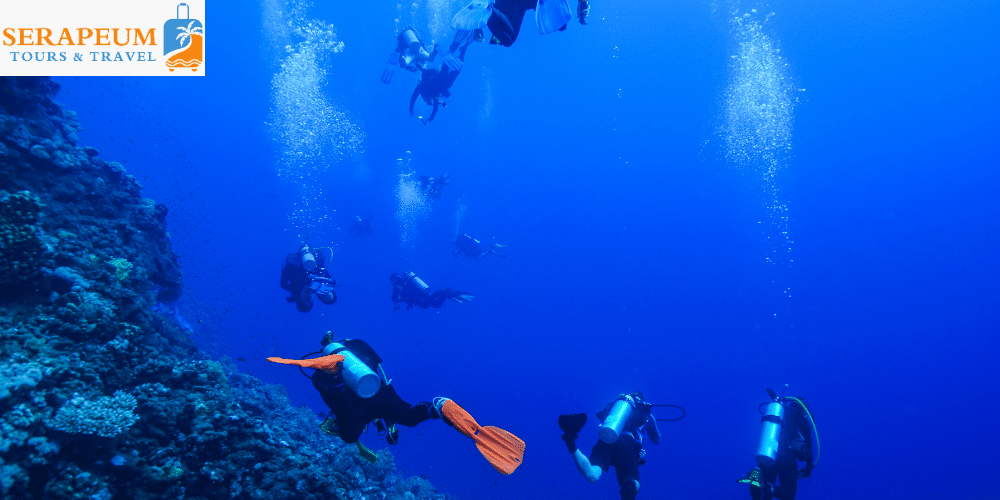
Egypt is not only temples and museums. Depending on your itinerary, you may snorkel or dive in the Red Sea, ride a quad bike in the desert, take a desert excursion, go on a hot-air balloon ride, or participate in other organized activities.
This is where generic travel insurance can become misleading. Some policies exclude certain sports or activities, while others cover them only when specific safety requirements are met.
If your trip includes scuba diving, check the maximum permitted depth and whether recognized certification is required. For other activities, check the policy’s activity list rather than assuming that “adventure sports” are included.
If you are planning a Red Sea holiday after Cairo or a Nile itinerary, make a simple list of the activities you expect to do. Then compare that list against the policy wording.
Cancellation and Trip Interruption Coverage

Cancellation cover can be particularly useful for Egypt trips because travelers often prepay several parts of the itinerary: international flights, hotels, domestic flights, cruises, private transfers, and guided excursions.
However, cancellation insurance is not the same as a flexible booking. The policy normally lists specific insured reasons for cancellation. These may include certain medical emergencies, serious family events, or other qualifying circumstances, depending on the provider.
Trip interruption works differently. You have already started your journey, but an eligible event forces you to return home or substantially change your plans.
Look at the real financial exposure
Before choosing a coverage limit, add up the non-refundable parts of your trip. For example, if your international airfare is refundable but your cruise, hotel deposits, and private tours are not, your cancellation exposure may be much smaller than the total cost of your holiday.
This simple calculation helps you avoid paying for coverage you do not need while still protecting the money that would actually be difficult to recover.
Baggage, Delays and Personal Belongings
Baggage protection is useful, but it should not distract you from medical coverage. Travelers sometimes focus on the value of their luggage while overlooking the policy’s much more important medical and evacuation terms.
If baggage protection matters to you, check the single-item limit. A policy might provide a reasonable total baggage limit but impose a much smaller maximum for one phone, camera, laptop, or other valuable item.
You should also check whether valuables must be carried as cabin baggage, whether proof of ownership is required, and whether unattended belongings are excluded.
Keep evidence of valuable items
Before your trip, keep copies of receipts or other ownership evidence for expensive electronics. If your baggage is lost or damaged, report the problem to the airline or transport provider as required and keep the resulting documentation.
How Much Does Travel Insurance for Egypt Cost?
There is no single “normal” price for Egypt travel insurance. Premiums depend on factors such as your age, country of residence, trip length, destination, medical history, coverage limits, deductible, and optional benefits.
A short Egypt holiday for a younger traveler may cost relatively little compared with the overall trip budget. Longer trips, older travelers, higher medical limits, or additional activity cover can increase the premium.
| Policy Priority | How to Think About It |
|---|---|
| Medical coverage | Prioritize strong protection rather than choosing solely by price. |
| Cancellation | Match the limit to your genuinely non-refundable trip costs. |
| Baggage | Check individual-item limits, not only the total limit. |
| Activities | Pay for additional cover only if your itinerary requires it. |
Instead of asking “What is the cheapest travel insurance for Egypt?”, a better question is: “Which policy gives me the protection I need without paying for benefits I will never use?”
When Should You Buy Travel Insurance?
In most cases, the best time to buy travel insurance is after you have made meaningful trip bookings but before you travel. Exact eligibility for cancellation benefits depends on the insurer and policy terms.
Buying early can also give you time to compare policies calmly. You can read exclusions, check activity coverage, confirm medical requirements, and save the emergency contact details before you leave.
Common Travel Insurance Mistakes to Avoid
- Choosing only by price: the cheapest policy may have weaker limits or more exclusions.
- Ignoring exclusions: the exclusions section can be as important as the benefits page.
- Assuming every activity is covered: diving and adventure activities may require specific cover.
- Forgetting pre-existing conditions: check the policy’s medical rules before purchase.
- Over-insuring the trip: match cancellation cover to actual non-refundable expenses.
- Waiting until departure: you may lose access to certain early-purchase benefits.
- Not saving documents: keep your policy number, assistance contact, and claim instructions offline.
- Assuming credit-card cover is enough: if you have insurance through a bank card, read its conditions carefully before relying on it.
Practical Safety and Claims Tips for Egypt
Good travel insurance works best when you also follow sensible travel habits. Keep important documents backed up securely, use reputable transportation and tour operators, and follow local instructions during excursions.
Keep your insurance information accessible
Do not store your policy details only in an email account that may be difficult to access without an internet connection. Save a PDF or offline copy on your phone and keep the emergency assistance number somewhere easy to find.
Document incidents properly
If you need to make a claim, documentation can make the process much easier. Depending on the event, this could include medical records, receipts, police reports, airline reports, booking confirmations, or evidence of additional expenses.
Ask before making expensive arrangements when possible
For non-urgent situations, contact your insurer’s assistance service before committing to significant additional expenses if the policy requires prior authorization. In an emergency, seek appropriate medical help first.
How to Compare the Best Travel Insurance for Egypt
There is no single insurance company that is automatically the best choice for every Egypt traveler. The right policy depends on your home country, age, itinerary, health circumstances, activities, and the amount of money you have at risk.
Use this comparison method instead of choosing based on a large “coverage up to” number shown in an advertisement.
- Start with medical coverage. Check the maximum benefit, exclusions, deductible, evacuation terms, and emergency assistance.
- Check cancellation and interruption. Make sure the covered reasons match the risks that concern you.
- Review your activities. Verify diving, snorkeling, desert excursions, balloon rides, or other planned activities where relevant.
- Check baggage terms. Look at per-item limits and requirements for valuables.
- Read exclusions. This is where many important differences between policies appear.
- Compare the total value. Consider premium, deductible, limits, exclusions, and assistance together.
This approach is especially useful for travelers building a multi-city Egypt itinerary. Your insurance should fit the trip you are actually taking, not an imaginary standard holiday.
Plan Your Egypt Trip With Confidence
Travel insurance is one part of good preparation. The other part is building an itinerary that gives you enough time to enjoy Egypt without constantly moving from one place to another.
Before booking everything, decide which experiences matter most to you. First-time visitors often combine Cairo and Giza with Luxor, while longer trips may add Aswan, Abu Simbel, a Nile cruise, or the Red Sea.
Planning your trip? Check our complete Egypt Travel Guide.
You can also explore top destinations and travel ideas from our Plan Your Egypt Trip page.
Ready to organize your trip? Visit our Egypt Visa Requirements 2026: Complete Guide for All Nationalities page to get started.
If Luxor is part of your itinerary, our Luxor Travel Guide: Temples, Tombs & Tips for First-Time Visitors can help you understand how to structure your sightseeing days before you finalize transportation and accommodation.
Egypt Travel Insurance FAQ
Do I need travel insurance for Egypt?
Travel insurance is strongly recommended for visitors to Egypt because it can provide financial protection for emergency medical treatment, evacuation, trip interruption, cancellation, baggage problems, and other covered events.
What is the most important travel insurance coverage for Egypt?
Emergency medical coverage should usually be the first priority. After that, compare medical evacuation, cancellation, trip interruption, baggage, travel delay, liability, and activity coverage based on your itinerary.
Does travel insurance cover diving in Egypt?
It depends on the policy. Some plans cover recreational diving under specific conditions, while others exclude it or require additional activity coverage. Check the exact diving limits and requirements before purchasing.
Does Egypt travel insurance cover pre-existing medical conditions?
Not automatically. Insurers may apply exclusions, medical screening, special conditions, or additional premiums. Read the medical-condition section carefully and answer application questions accurately.
When should I buy travel insurance for Egypt?
In general, buy it after making significant trip bookings and before traveling. Buying early can be important for certain cancellation-related benefits, subject to the policy’s terms and eligibility rules.
Does travel insurance cover cancelled flights to Egypt?
It depends on why the flight was cancelled and what the policy covers. Airline cancellations may be handled by the airline or passenger-protection rules, while insurance may apply to separate covered losses. Check both sets of terms.
How much travel insurance do I need for Egypt?
There is no universal amount. Prioritize strong medical and evacuation protection, then choose cancellation and baggage limits that reflect your actual financial exposure and itinerary.
Final Thoughts: Choose Protection That Matches Your Trip
The best Egypt travel insurance is not necessarily the policy with the longest list of benefits or the lowest price. It is the policy that protects you against the risks that could genuinely disrupt your trip or create a major unexpected expense.
Start with medical and evacuation coverage. Then check cancellation and interruption, especially if you have prepaid non-refundable hotels, flights, cruises, or tours. After that, review baggage protection, delays, personal liability, and the activities you plan to enjoy.
Most importantly, read the exclusions before you buy. A few minutes spent understanding your policy can be much more valuable than choosing a plan simply because it appears near the top of a comparison page.
Once your insurance is sorted, turn your attention back to the fun part: deciding how many days to spend in Cairo, whether to cruise the Nile, which ancient sites deserve extra time, and how to balance Egypt’s historic attractions with its Red Sea beaches.
Build your Egypt itinerary first, then make sure your travel insurance matches the places, activities, bookings, and level of protection you actually need.