
10 Days in Egypt Itinerary: Cairo, Luxor, Aswan & Red Sea
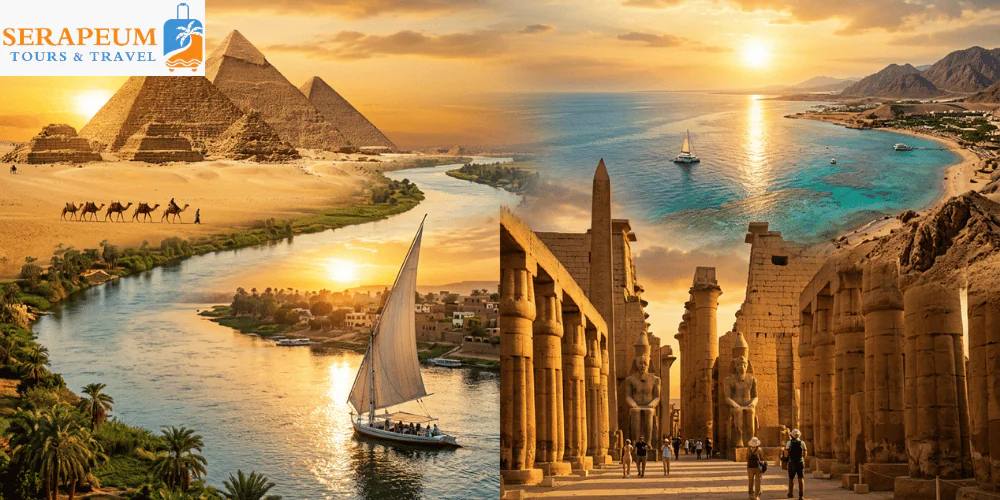
This complete egypt itinerary 10 days guide is designed for first-time visitors and families who want the classic Egypt route done properly, with smarter pacing, better route logic, more comfort, and enough time to actually enjoy each stop instead of rushing through it.
This egypt itinerary 10 days plan is built around a reality many travelers discover too late, Egypt is not hard because the sights are complicated, it is hard because the route can easily become exhausting if you stack too much history, too much transport, and too many early mornings into the same trip.
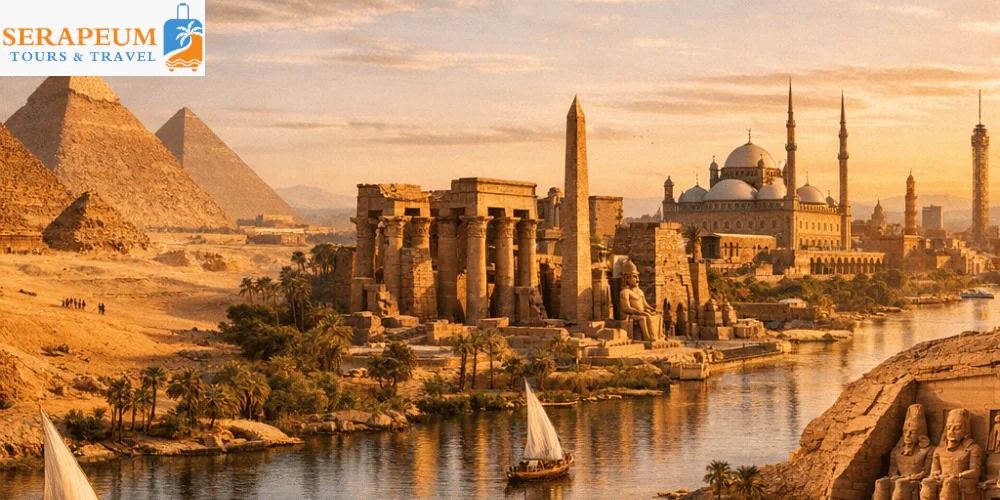
On paper, Egypt looks simple. Cairo for the pyramids, Luxor for temples, Aswan for the Nile, and the Red Sea for relaxation. But in practice, the order of these stops, the number of nights in each place, and the transition days between them can completely change how the trip feels. A poor itinerary makes Egypt feel rushed and heavy. A good itinerary makes it feel rich, balanced, and unforgettable.
This guide is for travelers who want the classic route without ruining it through over-planning. It is especially useful for first-time visitors and families because it focuses on comfort, route logic, realistic timing, and the kind of pacing that allows you to enjoy Egypt instead of merely surviving it.
Why This 10-Day Egypt Itinerary Works
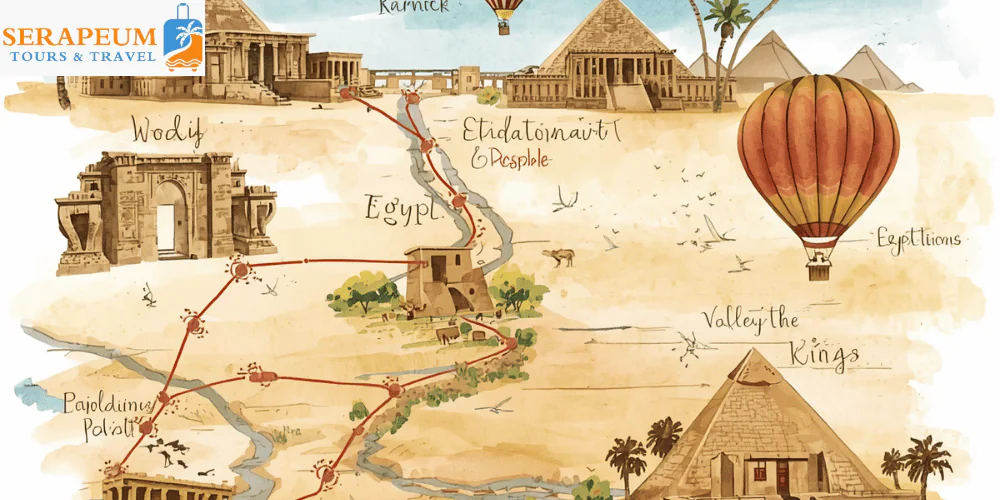
The biggest strength of this route is balance. It does not try to force every famous Egyptian destination into one trip. Instead, it focuses on the four segments that make the most sense for a first visit, Cairo for iconic arrival, Luxor for deep ancient history, Aswan for a slower Nile atmosphere, and the Red Sea for recovery and relaxation.
Many first-time visitors build Egypt itineraries that look impressive on paper but feel punishing in real life. They add too many cities, underestimate transport time, and stack monument-heavy days without recovery. This itinerary avoids that trap. It gives you the major historical highlights without making the trip feel like a race.
It also works well for families because it includes rhythm. Cairo brings energy and world-famous sights, Luxor brings depth, Aswan lowers the intensity, and the Red Sea gives everyone time to breathe. That rhythm matters much more than most people think.
“`The core idea behind this route
- Start with the icons so the trip feels exciting immediately.
- Move into deeper history once you are already inside the Egypt travel mindset.
- Slow the pace gradually instead of keeping every day equally intense.
- Finish with the Red Sea so the trip ends on comfort, not exhaustion.
Quick Overview for First-Time Visitors
If this is your first trip to Egypt, this 10-day format is one of the strongest options available. It is long enough to feel complete, but short enough to stay realistic for working travelers, families, and anyone who wants a major international trip without needing a very long holiday.
This itinerary assumes you want a classic first journey, not a niche one. That means it is not only for archaeology specialists, luxury-only travelers, or beach-only travelers. It is for people who want the full first impression of Egypt, with history, culture, the Nile, and the sea in one route.
“`Total trip length
10 days, which is enough to cover Egypt’s major first-time highlights without making the schedule too aggressive.
Best for
First-time visitors, couples, families, and travelers who want a balanced route rather than a hyper-specialized one.
Main travel style
Structured but not rushed, with practical timing and smart transitions between high-energy and low-energy days.
Trip outcome
A memorable first impression of Egypt that includes the pyramids, temples, Nile atmosphere, and beach recovery.
Route Logic Explained
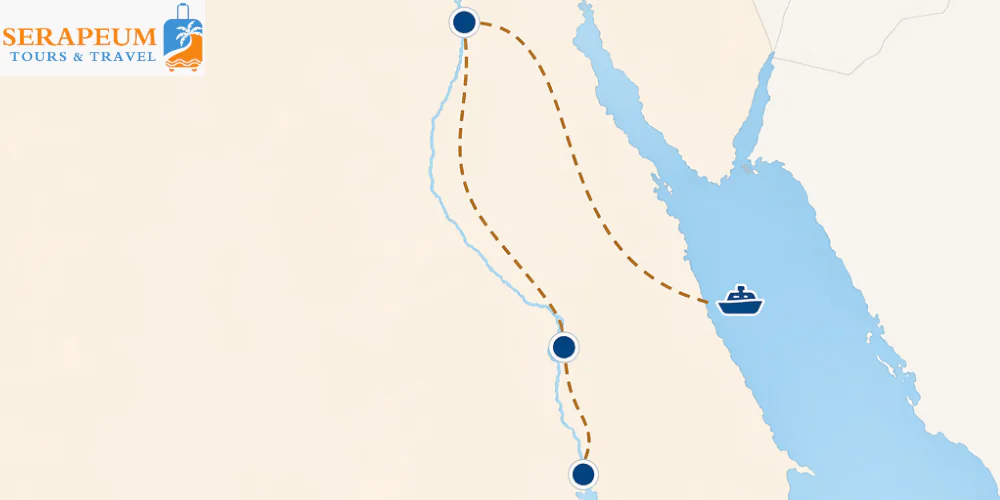
The most efficient version of this itinerary follows a simple sequence:
“`Cairo → Luxor → Aswan → Red Sea
This route works because it follows the natural emotional shape of an Egypt trip. Cairo gives you the first impact. Luxor gives you immersion in ancient Egypt. Aswan softens the intensity and reconnects the trip to scenery and atmosphere. The Red Sea then closes the journey with comfort and space.
It also helps reduce backtracking. Instead of bouncing between unrelated points, you move in a cleaner line across the country. That matters because time spent on weak transitions is time lost from the actual trip.
For families especially, this structure is far better than trying to squeeze in too many additional stops. Egypt is not improved by adding more names. It is improved by keeping the route logical.
Why not end in Cairo again if you can avoid it?
Many travelers feel psychologically better when the trip ends with rest rather than one last large city rush. If your flight plans allow it, finishing near the Red Sea or with a smooth final transfer often creates a stronger overall memory of the trip.
Key Highlights of This Trip
A strong itinerary is not just about geography. It is also about giving travelers the right mix of experiences. This 10-day route includes the most important layers of a first Egypt journey without forcing them to compete with each other.
“`Cairo and Giza Highlights

This is where the trip starts with maximum impact. The pyramids, the Sphinx, museums, and the feeling of being inside one of the world’s most iconic travel destinations create a powerful opening. Cairo is busy and energetic, which is exactly why it works well at the start rather than the end.
Luxor Highlights
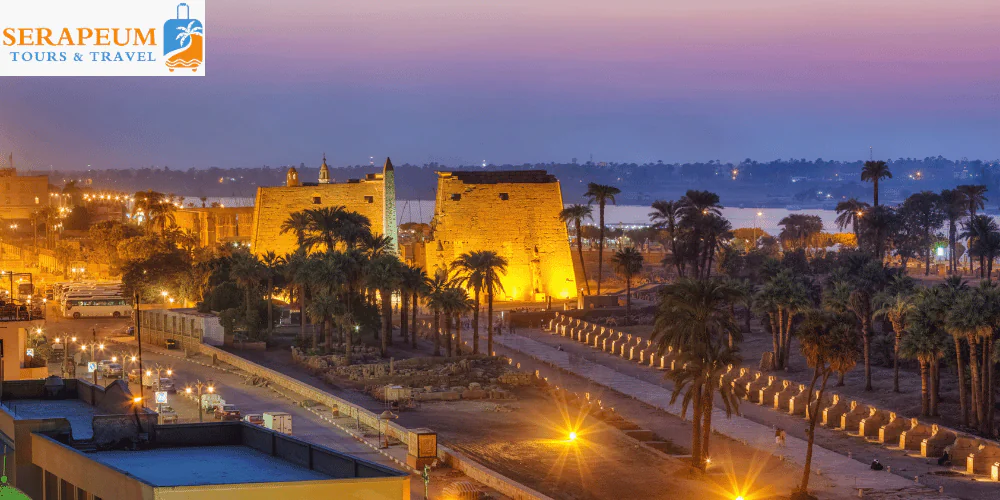
Luxor is where the historical side of Egypt deepens dramatically. The temples, tombs, and scale of the monuments often turn curiosity into awe. For many first-time travelers, Luxor becomes the emotional high point of the whole trip.
Aswan Highlights
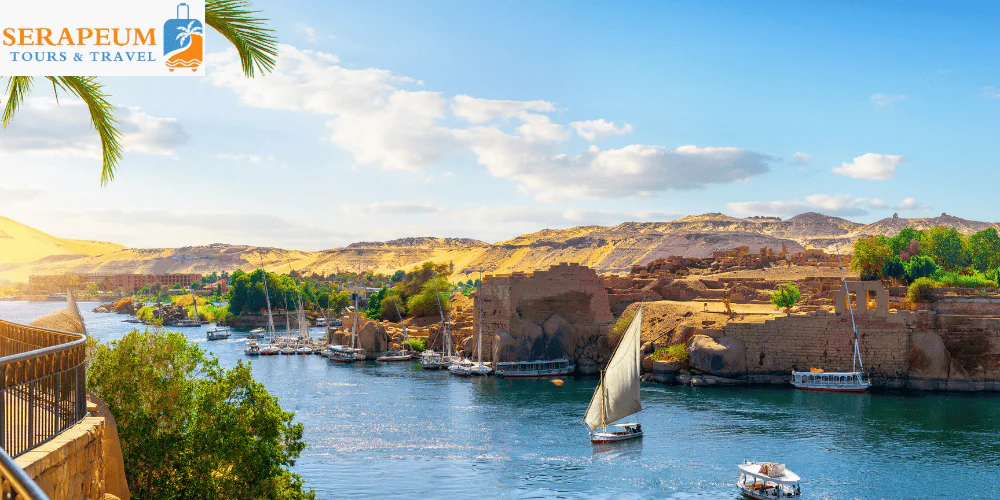
Aswan is less overwhelming and more atmospheric. It allows the trip to breathe. Nile scenery, calmer movement, and a gentler rhythm make it a valuable transition between intense cultural touring and the final coastal segment.
Red Sea Highlights
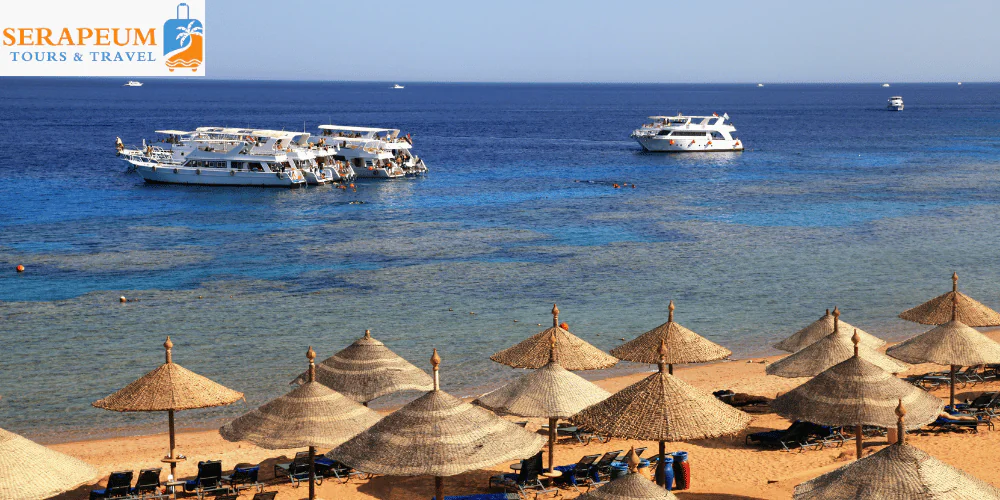
The Red Sea section is not just an extra. It is what keeps the whole itinerary from becoming too dense. After cities, temples, and transport, beach time, resort comfort, or marine activities can completely change the final impression of the trip.
| Destination | Main Strength | Trip Energy | Why It Belongs in This Route |
|---|---|---|---|
| Cairo | Pyramids, museums, iconic first impact | High | Starts the journey with Egypt’s most globally recognized landmarks |
| Luxor | Temples, tombs, archaeological depth | Medium to high | Provides the strongest concentrated ancient Egypt experience |
| Aswan | Nile atmosphere, scenic calm, slower pace | Medium | Balances the route and lowers the intensity at the right moment |
| Red Sea | Relaxation, family comfort, marine life | Low to medium | Helps the trip end well, both emotionally and physically |
How to Move Between Destinations
Transport is one of the biggest hidden variables in a 10-day Egypt trip. If you try to save too much on movement, you can end up losing valuable time and energy. For this route, domestic flights often make the most sense for at least one or two of the longer legs, especially for families or travelers who prioritize smoother transitions.
Cairo to Luxor is often best handled by flight if the schedule allows. Luxor to Aswan can be approached in different ways depending on your style. Some travelers prefer a quick overland movement, while others choose a more scenic or structured option if they want the route itself to become part of the experience. Aswan to the Red Sea requires planning because it is one of the more strategic transition points in the itinerary.
Good transport decisions do more than save time. They protect the quality of the trip. In Egypt, that matters because the days themselves already contain enough sensory weight and movement.
“`Best transport logic for this route
- Use flights for at least the longest and most time-sensitive legs when possible.
- Use private or organized transfers for station, airport, and intercity transitions that could otherwise feel chaotic.
- Do not underestimate travel-day fatigue, especially when sightseeing is added too closely to arrivals and departures.
Where to Stay on This Route
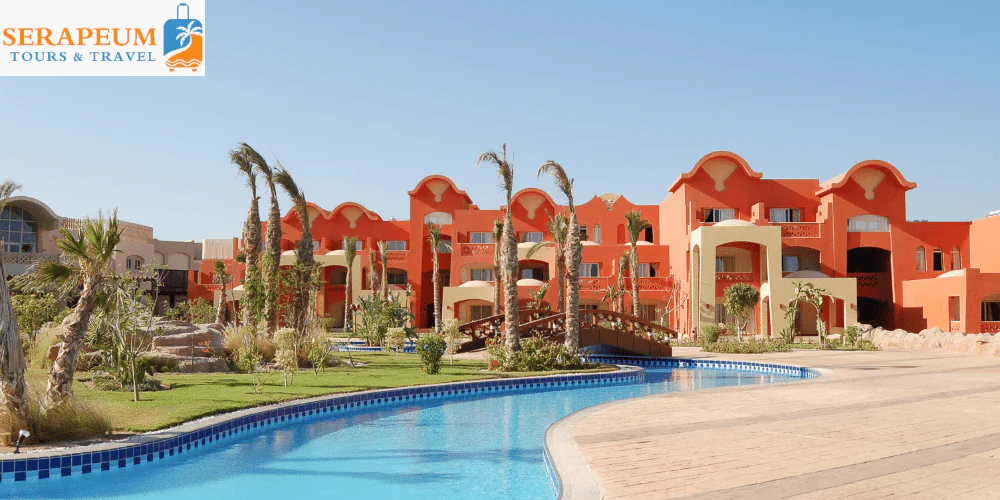
Hotel choice matters more in this itinerary than many people expect. Because every stop has a different purpose, the “right” type of hotel changes from city to city. Cairo needs a practical base. Luxor needs comfort after long sightseeing days. Aswan benefits from atmosphere. The Red Sea is where the hotel may become a major part of the trip itself.
“`Cairo stay strategy
Choose convenience and comfort. A strong location and easy logistics can save more energy than travelers realize.
Luxor stay strategy
Prioritize rest, air conditioning, and smooth access to early starts. Temple days are more demanding than they seem.
Aswan stay strategy
Atmosphere matters more here. Nile views or a calmer environment can improve the whole segment.
Red Sea stay strategy
Pick the resort by purpose, family comfort, relaxation, diving access, or premium beach time, not just by price.
The ideal hotel on this route is not always the cheapest or the most luxurious. It is the one that fits the job of that destination inside the larger trip.
“`Detailed Day-by-Day Itinerary
Day 1: Arrival in Cairo and Soft Landing
Keep the first day light. Arrival days are often underestimated, especially on international trips. Check into your hotel, settle in, and avoid the temptation to “start strong” with a packed sightseeing plan. A gentle first evening with an early night usually leads to a much better Cairo day tomorrow.
Day 2: Pyramids of Giza and Key Highlights
This is your first major Egypt day, so give it proper space. Focus on the Pyramids of Giza, the Sphinx, and the surrounding atmosphere rather than trying to stack too many unrelated extras. This is a day for impact, not overload.
Day 3: Cairo City Layer, Museums and Old Cairo
Use this day to understand Cairo beyond the pyramids. Museums, historic districts, and selected city stops help balance the trip by showing that Egypt is not only monumental, but also urban, layered, and culturally alive.
Day 4: Travel to Luxor and Gentle Evening Activity
If possible, take a morning flight so you arrive with usable time. Do not over-plan this day either. One temple visit or a calm evening is enough. The goal is to enter Luxor well, not to consume it too quickly.
Day 5: Luxor’s Major Historical Day
This is where the trip becomes deeply archaeological. Focus on the most important sites and start early. Luxor rewards organization. Good pacing here matters because the day can become physically demanding in heat and movement.
Day 6: Transition to Aswan
This should feel like a transition day, not a second major sightseeing day in disguise. Move toward Aswan with enough breathing room. Let the trip slow itself down naturally rather than forcing another high-intensity schedule.
Day 7: Aswan, Nile Atmosphere, and Lighter Exploration
Aswan is where the itinerary shifts emotionally. The scenery, the water, and the slower pace should be part of the point. This is a good day for measured sightseeing, scenic movement, and enjoying the contrast with Cairo and Luxor.
Day 8: Transfer to the Red Sea
This is another strategic day. Once you reach the coast, let the trip change in tone. The final segment should feel noticeably lighter than the earlier ones.
Day 9: Red Sea Relaxation or Marine Activity
Keep this day flexible. Families may want a quiet resort day. Couples may prefer a beach and dining day. More active travelers may choose snorkeling or a sea trip. The best version of this day is the one that lets the body and mind recover.
Day 10: Departure with a Cleaner Finish
If possible, avoid turning the final day into another major sightseeing attempt. A clean departure is part of good trip design. Leaving Egypt with energy still intact creates a much stronger final impression.
Best pacing principle for this itinerary
Not every day should try to “win.” Some days should impress, some should deepen, and some should restore. That is exactly why this route works.
Estimated Cost Breakdown

The total cost of this itinerary depends heavily on internal transport, hotel level, and whether you use private touring or a more independent structure. A 10-day Egypt trip can fit several budget levels, but the smartest balance for most first-time travelers is usually mid-range, where comfort, timing, and quality become much easier to manage.
“`| Travel Style | Estimated Daily Range | 10-Day Approximate Total | What It Usually Includes |
|---|---|---|---|
| Budget | $40 to $75 | $400 to $750 plus flights | Basic stays, simpler transfers, carefully chosen experiences, tighter planning |
| Mid-range | $90 to $180 | $900 to $1800 plus flights | Comfortable hotels, smoother logistics, selected tours, stronger overall balance |
| Luxury | $220+ | $2200+ plus flights | Premium hotels, private guiding, strong service, more relaxed transport choices |
If your goal is a strong first experience rather than the absolute cheapest version, this is one itinerary where spending a bit more on transport and accommodation usually pays off. Time and comfort have real value in Egypt.
“`Best Time to Do This Itinerary
This route works best when sightseeing conditions are more comfortable, especially because it includes Cairo, Luxor, and Aswan, all of which involve outdoor touring. Cooler periods are generally easier for first-time travelers and especially helpful for families who want more comfortable daytime movement.
The Red Sea segment makes this itinerary more flexible than a history-only route, but the core historic days still benefit from milder weather. If your schedule allows, aiming for the more comfortable sightseeing season usually creates a better overall experience from beginning to end.
“`Best for sightseeing comfort
Cooler months usually make Cairo, Luxor, and Aswan much easier to enjoy at a steady pace.
Best for family comfort
Avoiding peak heat makes the route more forgiving for children, older travelers, and anyone sensitive to long outdoor days.
Safety and Comfort Tips
A 10-day Egypt trip is usually less about dramatic safety issues and more about comfort management, route clarity, and choosing strong providers. When the itinerary is organized well, most of the stress points become much easier to handle.
“`Comfort and safety habits that matter most
- Use clear, pre-arranged transfers on key route days.
- Stay hydrated and do not underestimate heat during historical sightseeing.
- Keep the first and last day lighter than you think you need.
- Choose well-reviewed guides, hotels, and operators.
- Do not confuse a packed schedule with a better trip.
Practical Planning Advice
The smartest way to use this itinerary is to treat it as a framework, not a prison. The sequence is strong, but the exact level of activity inside each day should match your travelers. Families with children, for example, may want lighter evenings and more recovery time. More active travelers may want one additional experience in Cairo or the Red Sea.
The key is to protect the structure. Cairo should still come first. Luxor should still carry the deepest history. Aswan should still lower the intensity. The Red Sea should still give the trip a soft landing.
“`- Keep arrival day light, even if you feel excited enough to do more.
- Do not double-book major site days with late transport.
- Use the Red Sea segment intentionally, it is part of the route logic, not just an extra.
- Let the trip breathe, especially in Luxor and on transfer days.
Common Mistakes to Avoid
The most common mistake travelers make with a 10-day Egypt itinerary is trying to make it look more impressive than it needs to be. They add too many stops, compress key days, and end up spending more time moving than enjoying. That is exactly what this guide is trying to prevent.
“`The biggest planning mistakes on a 10-day Egypt route
- Adding too many extra cities and weakening the core route.
- Skipping recovery logic, especially after Cairo and Luxor.
- Treating transfer days like sightseeing days and creating avoidable fatigue.
- Trying to save too much on key transport and losing valuable trip energy.
- Underestimating how useful the Red Sea is as the final balancing segment.
Planning Your Trip
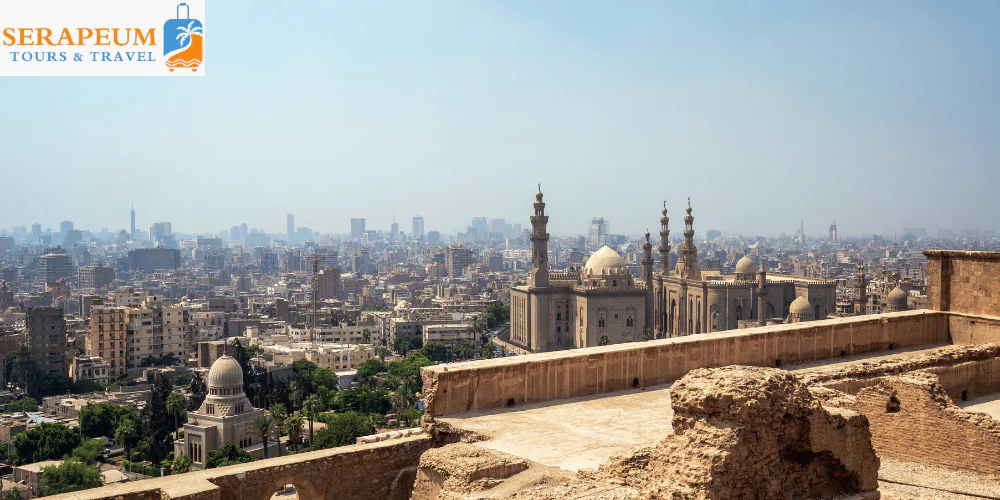
If you want a first Egypt trip that feels complete, memorable, and realistic, this route is one of the strongest ways to do it. It gives you the right sequence of impact, history, atmosphere, and recovery without trying to turn ten days into twenty.
“`Plan better, travel smoother
Planning your trip? Check our complete Destinations.
You can also explore top destinations and travel ideas from our Egypt Travel Guide page.
Ready to organize your trip? Visit our Tours page to get started.
For additional route-building support, you can also review Plan Your Trip and the broader Egypt Travel Guide 2026 for more context and inspiration.
Frequently Asked Questions
Tap each question to open the answer.
“`