
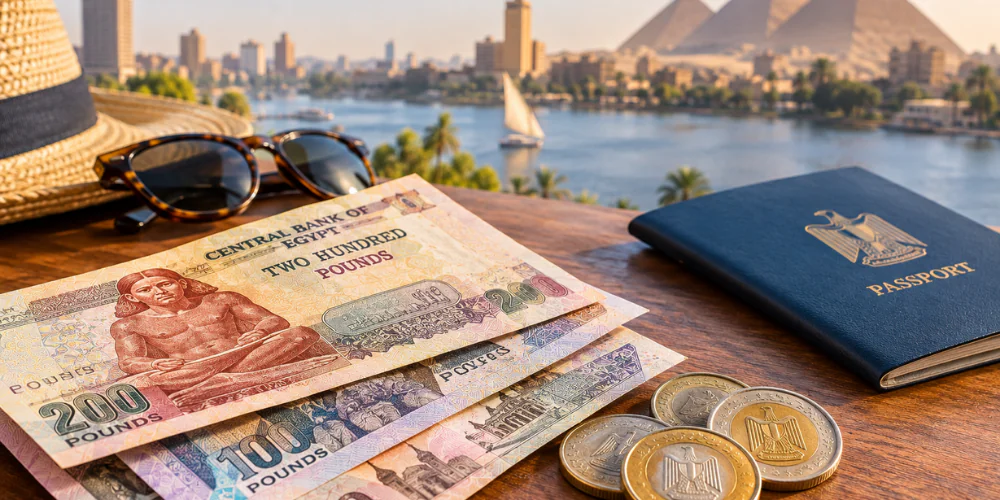
Egyptian Pound Guide: Currency, ATMs & Money Tips
If you are searching for egypt currency because you are planning a trip, the practical answer is simple: Egypt uses the Egyptian pound (EGP), and you should plan to use a mix of Egyptian cash and international cards. The important part is knowing when to use each one, where to get Egyptian pounds, how much cash to carry, and how to avoid unnecessary exchange and ATM fees.
Egypt Currency: The Quick Answer Travelers Need
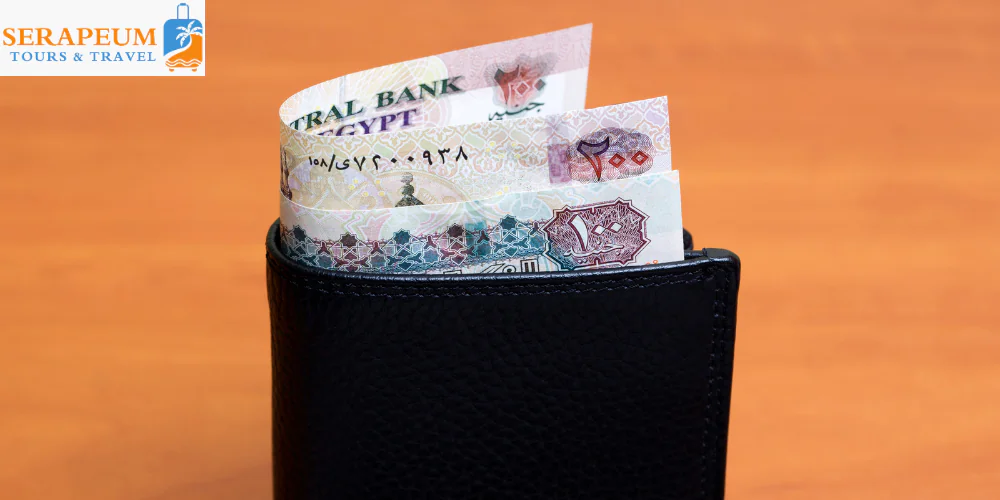
The official currency of Egypt is the Egyptian pound, commonly written as EGP or LE. One Egyptian pound is divided into 100 piastres. For everyday travel, however, most visitors will deal mainly with Egyptian pound notes rather than piastres.
The Central Bank of Egypt currently lists EGP 5, 10, 20, 50, 100 and 200 among the current banknote denominations, including polymer versions of the EGP 10 and EGP 20 notes. :contentReference[oaicite:0]{index=0} Egypt’s official tourism information also confirms that currency exchange is widely available in major tourist destinations, airports and hotels, while bank ATMs provide access to cash.
This guide focuses on the questions that matter once you arrive: whether you should exchange money at the airport, how Egyptian ATMs work, whether USD or EUR are accepted, how card payments compare with cash, what denominations are useful, and how to manage your money during a Cairo, Luxor, Aswan, Hurghada or Sharm El Sheikh itinerary.
What Currency Is Used in Egypt?
Egypt’s national currency is the Egyptian pound. Its international currency code is EGP, while LE is also commonly used on prices, menus and travel information. You may hear Egyptians call it geneh or simply geneh masri.
Prices in Egypt can look surprisingly large if you are used to a stronger currency. That does not mean a purchase is expensive. For example, a price of several hundred Egyptian pounds may be a normal everyday amount depending on the service. The best way to understand your spending is to check the current exchange rate rather than relying on an old conversion you found in a travel forum.
One useful planning detail is that Egypt is not a purely cashless destination. Major hotels, established restaurants, larger shops and many tourist businesses accept cards, but cash remains important for smaller transactions. Egypt’s tourism authority specifically advises travelers to keep Egyptian cash available, particularly for taxis and small shops.
Egyptian Pound Notes and Coins
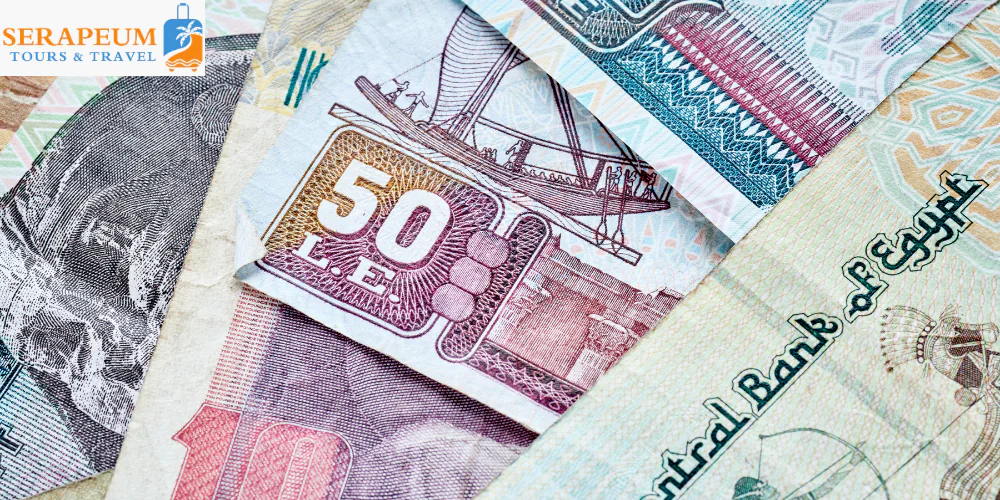
Knowing the common denominations can make your first few days much easier. The Central Bank of Egypt lists current denominations including 5, 10, 20, 50, 100 and 200 Egyptian pounds. Polymer versions of the 10 and 20 pound notes are also in circulation alongside paper versions.
You may also encounter older notes and coins that remain legal tender. In July 2026, the Central Bank clarified that existing paper 25-piastre, 50-piastre and one-pound notes remain legal tender while they continue through their normal circulation cycle; newer issues of small piastre denominations have also been produced as coins.
| Denomination | How Useful Is It for Travelers? | Typical Use |
|---|---|---|
| EGP 5–20 | Very useful | Small purchases, tips and minor local expenses |
| EGP 50 | Very useful | Small meals, drinks, transport and everyday purchases |
| EGP 100 | Useful | Restaurants, shopping and medium-sized purchases |
| EGP 200 | Useful but less convenient for tiny purchases | Larger everyday payments |
Egypt Currency Exchange Rates in 2026
Exchange rates move, so there is no responsible way to publish a single “Egypt currency rate” and expect it to remain accurate throughout a travel season. Before exchanging money, check a current rate from a reliable source and then compare the actual rate offered by your bank, exchange office or ATM.
As a useful 2026 reference point, the Central Bank of Egypt’s official exchange-rate page reported on October 6, 2026 a USD rate of approximately EGP 52.25–52.39, depending on the published buy/sell side, while the euro was approximately EGP 58.75–58.91. These figures are a dated reference, not a guaranteed rate for your trip.
For a trip budget, a better approach is to calculate your expected spending in EGP and then convert it into your home currency immediately before departure. Leave a small buffer for exchange-rate movement, ATM fees and unexpected purchases.
Should You Watch the Exchange Rate Every Day?
Usually, no. Travelers often waste time trying to predict the currency market when their actual trip budget is relatively small compared with the cost of flights and accommodation. Instead, focus on avoiding unnecessary conversion fees, using reputable exchange channels and keeping enough liquidity for the next one or two days.
Can You Use US Dollars or Euros in Egypt?
You may find businesses in tourist areas willing to accept major foreign currencies, particularly US dollars and euros. However, that does not make foreign cash the best currency for everyday spending.
Official Egyptian tourism information notes that foreign currency can be exchanged through banks and exchange offices and that some hotels and tourist businesses accept foreign currencies. At the same time, smaller shops and businesses away from the main tourist areas may expect payment in Egyptian pounds. :contentReference[oaicite:6]{index=6}
This is particularly important in markets and informal settings. Agree on the price and currency before handing over money. If a price is quoted in Egyptian pounds, make sure you understand the amount rather than assuming it is a dollar or euro price.
Where to Exchange Money in Egypt
Travelers can exchange foreign currency at licensed banks and exchange offices, and exchange services are also available in many airports, hotels and major tourist destinations. Egypt’s tourism authority confirms that commercial banks offer ATMs with currency-related services and that exchange facilities are widely available.
1. Banks
Banks are a strong choice when you want a formal exchange channel and clear documentation. They are especially useful for travelers carrying a larger amount of foreign cash who prefer to exchange gradually rather than all at once.
2. Licensed Exchange Offices
Exchange offices can be convenient in cities and tourist areas. Always check the displayed rate and ask whether any commission or service charge applies before completing the transaction.
3. Airports
Airport exchange facilities are convenient when you need immediate local cash for transportation or your first purchase. Convenience, however, should not automatically mean exchanging your entire travel budget there. Compare the rate and fees when possible.
4. ATMs
For many travelers, withdrawing Egyptian pounds from a bank ATM is the simplest option. Egypt’s banking system provides a broad ATM network, and the Central Bank describes ATM services as available around the clock through participating banks.
ATMs in Egypt: What Travelers Should Know
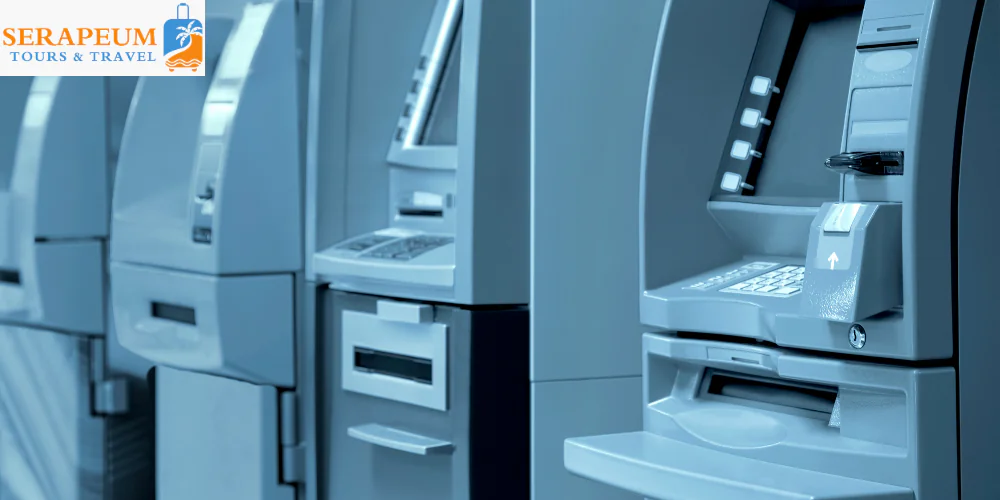
ATMs are one of the easiest ways to access Egyptian pounds, particularly in Cairo, Giza, Alexandria, Luxor, Aswan and major Red Sea resorts. They are also useful because you do not have to carry a large amount of cash from the beginning of your trip.
Use Bank ATMs When Possible
A bank-operated ATM is generally preferable to an unknown machine because it is easier to identify the institution responsible for the transaction. If an ATM looks damaged, unusually modified or located in an isolated place, use another machine.
Watch for Dynamic Currency Conversion
One of the most important money tips for international travelers is understanding dynamic currency conversion (DCC). An ATM may ask whether you want the transaction converted into your home currency. Visa explains that DCC can include an exchange rate and additional fees or markup. When offered a choice, review the amount carefully and generally choose to be charged in the local currency, EGP, rather than accepting an ATM’s home-currency conversion automatically.
Do Not Wait Until Your Cash Is Almost Gone
If you are leaving Cairo for a desert excursion, small town or remote archaeological area, withdraw enough EGP before leaving the larger city. ATM access is strong in major population centers but should not be assumed everywhere.
This matters particularly on multi-stop itineraries. A traveler moving from Cairo to Luxor to Aswan or from Hurghada to a remote excursion should think about cash availability as part of the route—not as something to solve only when the wallet is empty.
Credit Cards and Debit Cards in Egypt
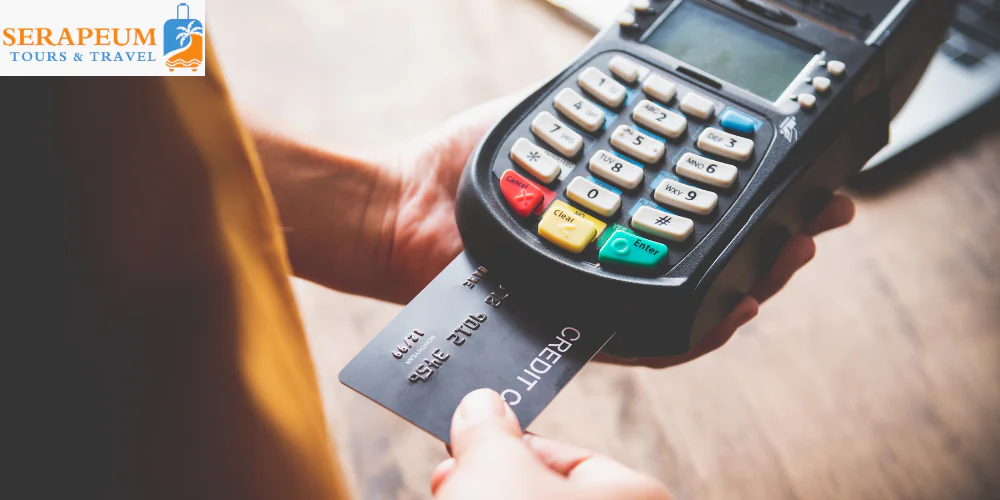
Visa and Mastercard are widely useful in Egypt, especially at international hotels, larger restaurants, established tour operators, shopping malls and other formal businesses. Egypt’s official tourism information confirms that major tourist cities and destinations accept credit cards, while cash remains important for taxis and smaller businesses.
The practical question is therefore not “Can I use a card in Egypt?” but rather “Where should I use a card and where should I carry cash?”
| Situation | Best Payment Method | Why |
|---|---|---|
| International hotel | Card | Convenient and easy to document |
| Large restaurant | Card or EGP cash | Both are often practical |
| Small local shop | EGP cash | Card acceptance may be unavailable |
| Souk or small market purchase | EGP cash | Cash is usually simpler |
| Taxi or small local transport | EGP cash | Do not assume card acceptance |
| Tour booking with established operator | Card or agreed method | Confirm payment terms in advance |
Carry a Backup Card
If your trip depends heavily on cards, take at least two payment cards from different issuers if possible. Keep them separately. Visa also recommends knowing your card’s daily ATM withdrawal limit, checking available funds and ensuring your PIN works before international travel.
How Much Egyptian Cash Should You Carry?
There is no single correct amount because your cash requirement depends on your itinerary. A traveler staying at an all-inclusive resort will have a very different cash profile from someone spending several days in Cairo, shopping in local markets and taking independent transport.
A useful strategy is to carry enough Egyptian pounds for one day of ordinary small expenses plus a buffer, rather than carrying your entire trip budget in your wallet.
Avoid putting all your cash in one wallet. Divide it between your daily wallet, luggage and a secure backup location. You do not need to make money management complicated; the goal is simply to avoid losing access to all your funds at once.
Typical Travel Spending and Money Planning
Egypt can accommodate a wide range of travel budgets. Your biggest expenses are usually accommodation, international flights, domestic flights or long-distance transport, organized tours, entrance fees, food and shopping. Currency planning becomes easier when you separate these expenses into two groups.
Pay Larger Expenses Electronically
When a reputable hotel, travel company or restaurant accepts your card, using the card can reduce the amount of physical cash you need to carry. Before paying, check whether the merchant charges in EGP or another currency and review the final amount.
Use Cash for Small Daily Expenses
Keep EGP cash for the small purchases that accumulate during a sightseeing day: bottled water, snacks, short local rides, tips, small market purchases and other minor expenses.
If you are building a detailed itinerary, estimate your fixed costs first, then create a separate “daily cash” allowance. This makes it much easier to see what you actually need in EGP and prevents you from exchanging too much money simply because you are unsure.
Tipping in Egypt: Why Small Notes Matter
Tipping, often called baksheesh, is part of the travel culture in Egypt. The amount depends on the service and situation, and you should never feel that every interaction requires a large payment.
From a money-management perspective, the important point is to keep smaller EGP denominations available. Giving a large banknote for a small tip can create an awkward situation if the person cannot provide change.
Currency Safety and Common Money Mistakes
Most travelers will manage money in Egypt without major problems, but a little awareness goes a long way. The most common issues are not complicated financial scams; they are misunderstandings about prices, change, exchange rates or payment currency.
1. Agree on the Currency Before Paying
If someone quotes a price verbally, confirm whether it is in Egyptian pounds, US dollars or another currency. This is especially important for private services and informal purchases.
2. Count Your Change
Count change calmly before leaving a shop, taxi or market. This is a normal travel habit anywhere in the world.
3. Keep Receipts for Larger Transactions
For hotels, organized tours, major purchases and card payments, keep the receipt or digital confirmation until the service is completed.
4. Be Careful With Currency Conversion
Do not accept a conversion simply because the amount looks easier in your home currency. Visa notes that dynamic currency conversion may include an exchange rate and additional markup.
5. Use Legal Exchange Channels
Use banks, recognized exchange offices and established financial channels. Egypt’s official tourism guidance recommends formal exchange services and notes that the government takes measures against illegal currency exchange.
6. Keep Emergency Funds Separate
Carry a backup payment card and keep a modest emergency cash reserve separate from your everyday wallet. This matters more than carrying a large amount of cash.
Does the Time of Year Affect Currency Planning?
The Egyptian pound itself does not become a different currency during the high or low tourist season, but your spending pattern can change significantly depending on when you visit.
During popular travel periods, travelers often spend more on accommodation, tours, Nile cruises and organized activities. In hotter months, you may spend more time at hotels or resorts, while a sightseeing-heavy winter itinerary may involve more daily transport, meals and entrance fees.
The best financial strategy is therefore to budget according to your itinerary rather than assuming that the season automatically makes Egypt expensive or cheap.
| Travel Style | Currency Planning Priority |
|---|---|
| Cairo & Giza city break | Cards for major expenses + EGP for local transport and small purchases |
| Luxor & Aswan itinerary | Keep reliable EGP cash for smaller vendors and excursions |
| Nile cruise | Carry cash for tips and purchases; confirm onboard payment options |
| Red Sea resort | Cards can cover many expenses, but keep EGP for tips and local trips |
| Desert or remote excursion | Withdraw cash before departure and keep an emergency reserve |
Plan Your Egypt Trip With the Right Money Strategy
Currency is only one part of preparing for Egypt. The smartest approach is to connect your money plan with your route: where you will stay, which cities you will visit, whether you are booking a Nile cruise, and how much independent travel you expect to do.
Planning your trip? Check our complete Egypt Travel Guide.
You can also explore top destinations and travel ideas from our Plan Your Egypt Trip page.
Ready to organize your trip? Visit our Egypt Travel Guide 2026: Everything You Need to Know page to get started.
If you are still working out your entry requirements, our Egypt Visa Requirements 2026: Complete Guide for All Nationalities can help you handle the administrative side before departure.
For travelers heading south, it is also useful to connect your money plan with the actual route. Our Luxor Travel Guide: Temples, Tombs & Tips for First-Time Visitors is a practical next step if Luxor is part of your itinerary.
Egypt Currency FAQ
What currency is used in Egypt?
Egypt uses the Egyptian pound, abbreviated EGP or LE. One Egyptian pound is divided into 100 piastres.
Can I use US dollars in Egypt?
US dollars may be accepted by some tourist businesses, but Egyptian pounds are the better choice for everyday local spending. Exchange foreign currency through recognized banks or exchange offices.
Can I use a credit card in Egypt?
Yes. Visa and Mastercard are useful at many hotels, larger restaurants, major shops and established tourist businesses. However, keep Egyptian cash for smaller shops, taxis, markets and other cash-based transactions.
Are ATMs available in Egypt?
Yes. ATMs are available throughout major cities and tourist destinations, although you should not assume that remote areas will have convenient ATM access. Withdraw cash before heading to more isolated destinations.
Should I exchange money at Cairo airport?
Airport exchange services are convenient if you need Egyptian pounds immediately, but compare the offered rate and fees before exchanging a large amount. You can exchange or withdraw more later through formal channels.
Should I withdraw Egyptian pounds from an ATM or bring cash to exchange?
Either can work. Many travelers prefer a combination: carry a reasonable amount of foreign cash as a backup and use bank ATMs to obtain Egyptian pounds as needed. Compare your card’s foreign transaction and ATM fees before traveling.
What is the best currency to carry to Egypt?
Carry your normal home currency or another major currency that is easy to exchange, but use Egyptian pounds for most everyday purchases. Do not rely entirely on foreign cash.
Should I choose EGP or my home currency at an ATM?
If an international ATM offers dynamic currency conversion, review the exchange rate and fees carefully. Choosing to be charged in the local currency, EGP, can help you avoid the ATM’s own conversion markup.
Conclusion: The Smart Way to Handle Money in Egypt
Understanding egypt currency before you arrive can make your trip noticeably easier. The Egyptian pound is the currency you will use for everyday local spending, while cards and foreign cash are useful supporting tools rather than complete replacements for EGP.
The most practical approach is to use a combination of payment methods: keep a reliable card for larger and formal purchases, withdraw Egyptian pounds from reputable ATMs when needed, and maintain smaller EGP notes for taxis, tips, markets and small businesses.
Most importantly, do not build your budget around an old exchange rate. Check current rates before your trip, understand your bank’s international fees, watch for dynamic currency conversion, and adjust your cash needs to your actual itinerary.
With that simple system in place, money becomes one less thing to think about while you explore Cairo’s historic neighborhoods, the Giza Pyramids, Luxor’s ancient temples, the Nile Valley and Egypt’s Red Sea coast.
Information checked for the 2026 edition: Central Bank of Egypt currency and banknote information, official Egyptian tourism guidance, and Visa guidance on international card use and dynamic currency conversion. Exchange-rate figures in this article are dated examples and should always be checked again before travel.